

Key Takeaways
- A well-considered layout allows daily routines to flow naturally, reducing friction and making the home easier to live in from morning to night.
- Clear zoning within compact homes creates a sense of order, helping each area serve its purpose without feeling crowded or disconnected.
- Homes that are designed around real living patterns feel more intuitive, as the environment supports how people actually use their space.
- Long-term comfort depends on decisions that account for flexibility, maintenance, and changing needs, ensuring the home remains practical and relevant over time.
Introduction
In Singapore homes, comfort is rarely defined by size alone. It comes from how well rooms connect, how easily daily routines unfold, and whether the home stays calm without becoming crowded during daily use. This is why space planning matters so much in BTO flats, resale units, condominiums, and landed homes alike. When square footage is limited and every area needs to work harder, layout decisions influence not just appearance but privacy, storage, movement, and long-term ease of living. For homeowners who value quiet luxury, the real measure of refinement is often how effortlessly the home supports everyday life rather than how much it tries to impress.
Space Planning as an Expression of Ease
Good space planning is often felt before it is consciously noticed. When entry points, walkways, furniture placement, and room proportions are properly resolved, movement becomes natural and daily tasks require less adjustment. A dining area does not interrupt circulation, storage is positioned where it is most useful, and shared spaces remain open without losing definition. In this sense, designing residential layouts is not about adding more elements to a home. It is about removing friction so the environment stays composed and easy to navigate throughout the day.
When these decisions are not resolved early, small inefficiencies such as obstructed walkways or poorly placed storage can build up into daily frustration over time.
Spatial Clarity Within Compact Residential Environments
In Singapore’s compact residential setting, thoughtful layout planning must create order without making the home appear rigid. A well-zoned arrangement gives each area a clear role while maintaining visual calm across the interior. This is especially important in homes where living, dining, work, and rest sit close to one another. Without spatial hierarchy, even a visually appealing renovation can start to feel disjointed as different functions compete for the same space. In broader conversations around housing and interior design, this balance allows a limited footprint to remain private, intentional, and quietly spacious.
Layouts Shaped by Real Living Patterns
The most effective layouts respond to real behaviour rather than idealised floor plans. A couple who works from home will use the space differently from a family with young children or an owner upgrading from an older resale flat with structural constraints. A functional interior layout must therefore be grounded in how spaces are actually used throughout the day, so that the home operates intuitively rather than requiring constant adjustment.
Without this alignment, everyday routines can feel inefficient, with overlapping zones, insufficient storage, or poorly defined areas disrupting how the home is used.
Common Daily Patterns That Shape Layout Decisions
These patterns reveal where a layout either supports or disrupts everyday living, making them a useful guide when refining spatial decisions. Entry points, for instance, function as active zones where bags, keys, and daily items are naturally placed. Without proper consideration, clutter tends to accumulate at the threshold. Kitchen and dining areas must accommodate peak periods such as mornings and evenings, where movement, preparation, and interaction happen simultaneously within a limited footprint.
Work-from-home arrangements introduce another layer of planning, as some households require separation for focus while others benefit from integrating work zones into shared areas. Living spaces must also adapt throughout the day, shifting between individual use and family interaction without becoming restrictive. When these behaviours are understood early, the layout begins to anticipate routines instead of reacting to them. This creates a quieter form of luxury, where the home stays aligned with its occupants and supports comfort with minimal effort.
Long-Term Comfort Beyond Immediate Impressions
Refined space planning also considers how a home will perform years after renovation is completed. A layout that feels convenient in the first month should remain practical as routines evolve, storage needs increase, and maintenance becomes more relevant. This long-view is especially important for homeowners exploring home layout design in Singapore, where durability and daily comfort must work together rather than compete.
Decisions made purely for immediate appearance can gradually introduce limitations, making the home harder to maintain or adapt over time.
What Long-Term Space Planning Needs to Account For
These considerations help ensure that a home remains consistent in both comfort and usability as lifestyles and priorities change over time. Flexibility becomes essential as households adjust to evolving routines such as hybrid work or changing family needs. Storage must remain accessible and sufficient without overwhelming the layout or creating visual clutter, particularly in compact homes where every element contributes to the overall sense of space.
Ease of cleaning and maintenance also plays a role in long-term comfort, as layouts that are difficult to upkeep can gradually become burdensome. At the same time, the layout should remain resilient even as furniture configurations or spatial uses change, ensuring that the home does not require constant reworking to stay functional. This is why many homeowners seeking residential interior design in Singapore are focused on avoiding short-term decisions that lead to long-term inconvenience, favouring layouts that support a stable and enduring living environment.
Translating Spatial Intent Into a Cohesive Living Environment
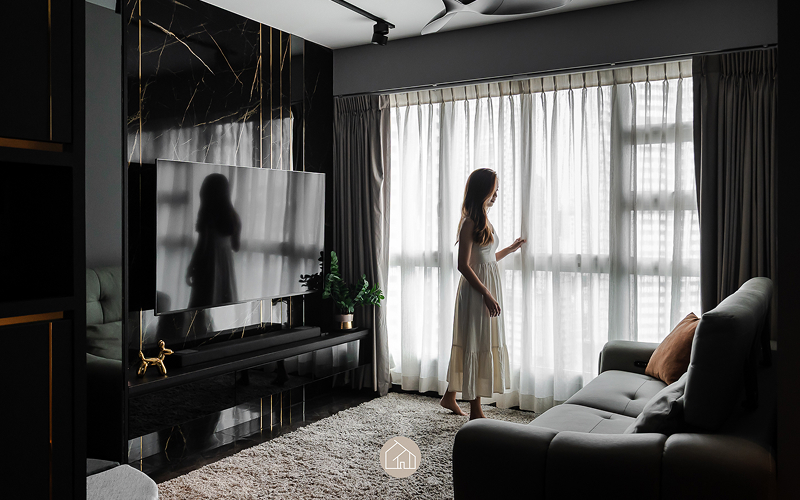
When layout decisions are treated as a design discipline rather than a technical step, the entire home becomes more coherent. Materials, lighting, storage, and circulation begin to reinforce one another instead of competing for attention. This is where comfort and luxury meet. A refined home does not appear busy or overworked, but calm and resolved. For homeowners comparing one Singapore interior design company with another, the real difference often lies in whether spatial intent is translated into a cohesive, well-balanced environment rather than a mere collection of individual elements.
Conclusion
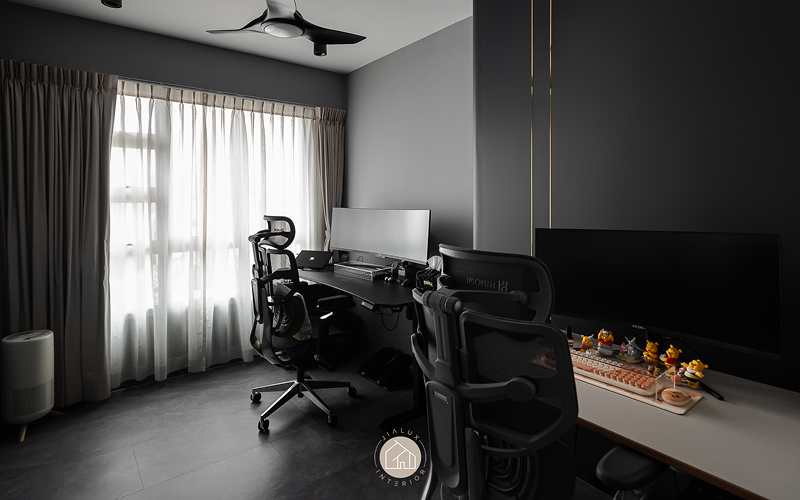
In Singapore, where homes are expected to support work, rest, hosting, storage, and family life within a carefully used footprint, layout decisions shape everyday comfort more than most homeowners first realise. A well-planned home remains calm because its underlying arrangement has been carefully resolved, allowing daily routines to unfold naturally. This is what defines a more considered approach to living, where comfort is sustained over time rather than achieved through surface-level design choices.
For homeowners considering how their current layout supports daily living, Jialux Interior Pte Ltd offers a considered approach to start a layout review, bringing clarity to spatial decisions before any renovation begins.