

Key Takeaways
- A calm home is created through intentional planning, not decoration alone, with layout, proportion, materials, lighting, and storage working together.
- Clear circulation, uncluttered sightlines, and restrained furniture choices help compact Singapore homes feel more open, composed, and comfortable.
- Materials with soft textures, muted finishes, and durable qualities can reduce visual fatigue while supporting long-term daily use.
- Layered evening lighting helps the home shift from active daytime routines to a gentler atmosphere for rest and recovery.
Creating a Home That Helps You Unwind After Work
In Singapore’s high-intensity urban environment, the home has become more than a place to live. For many BTO owners, upgrading homeowners, and resale flat owners, it is also where the mind slows down after long hours, crowded commutes, and constant digital stimulation. Soothing interior design responds to this need by shaping a home that feels calm, composed, and easy to return to. Rather than relying on decoration alone, it considers layout, materials, lighting, and storage as connected decisions. For homeowners drawn to modern luxury interior design in Singapore, this means creating a space that feels refined without being loud, practical without feeling plain, and elegant enough to age well over time.
Calm as a Deliberate Design Outcome
A restful home does not happen by chance. Soothing interior design begins with control over proportion, visual weight, and the way each area supports daily routines. In compact Singapore homes, too many competing features can make the space feel busy, even when the finishes are expensive. A calmer approach prioritises clear zones for dining, resting, working, and storage, so each part of the home has a purpose. This is where calming interior design becomes practical rather than purely aesthetic. It helps homeowners move from the pace of the outside world into a quieter rhythm at home, especially after work when the need for mental decompression is strongest.
Material Choices That Support Visual and Sensory Ease
Materials affect how a home feels long after the renovation is complete, which is why soothing interior design often relies on finishes that are visually gentle, tactile, and consistent across the home. Soft wood tones, muted laminates, stone-inspired surfaces, warm neutrals, and low-glare finishes can reduce visual fatigue while still giving the space depth.
For homeowners investing in residential interior design, the goal is not simply to select beautiful materials, but to choose materials that support daily use, resist looking dated too quickly, and feel comfortable under Singapore’s humid, urban living conditions. This is especially important for built-in carpentry, kitchen surfaces, wardrobes, and feature walls that are seen and used every day.
Spatial Restraint and the Absence of Visual Noise
One of the strongest qualities of soothing interior design is restraint. This means knowing what to leave out, not only what to include. Clear walkways, well-sized furniture, hidden storage, and uncluttered sightlines help a home feel larger and more breathable, especially in BTO flats, condominiums, and older resale units with layout constraints. A peaceful home environment is often created through small but deliberate decisions, such as avoiding oversized furniture, reducing open shelving, keeping visual lines clean, and allowing negative space to remain. This quietness becomes a form of luxury because the home feels settled, intentional, and easy to live in.
Lighting as a Transitional Element Between Day and Evening
Lighting has a direct effect on how a home supports the transition from work to rest. A well-considered lighting plan allows the same space to feel functional during the day and softer in the evening, without requiring major changes to furniture or layout. This reflects the purpose of restorative home design, where the home does more than look polished. It actively supports emotional recovery after a demanding day.
Layering Light to Ease the Shift Into Evening
To understand lighting more clearly, it helps to see each layer as serving a different part of daily life rather than treating all lights as one general source of brightness. Ambient lighting provides overall visibility for movement and daily routines, while task lighting supports focused activities such as reading, cooking, grooming, or working from home. Accent lighting then adds softness by drawing gentle attention to selected areas, such as a feature wall, display shelf, or textured surface. When these layers are planned together, the home can shift naturally from active use to evening rest. This prevents the space from feeling too flat, harsh, or visually tiring after work.
Using Warmth and Placement to Create Calm
Beyond the number of lights used, the warmth and placement of each fixture affect how settled the home feels at night. Warm-toned lighting, discreet strips, cove lighting, and indirect illumination can soften the edges of a room without making it feel dim or impractical. Instead of placing attention on the fittings themselves, the lighting supports the atmosphere quietly. This is especially useful in living rooms, bedrooms, and dining areas, where homeowners often want a calmer mood after work. With careful placement, lighting becomes part of the home’s emotional rhythm, helping the space feel composed, intimate, and ready for rest.
Quiet Luxury Through Thoughtful Design Interpretation
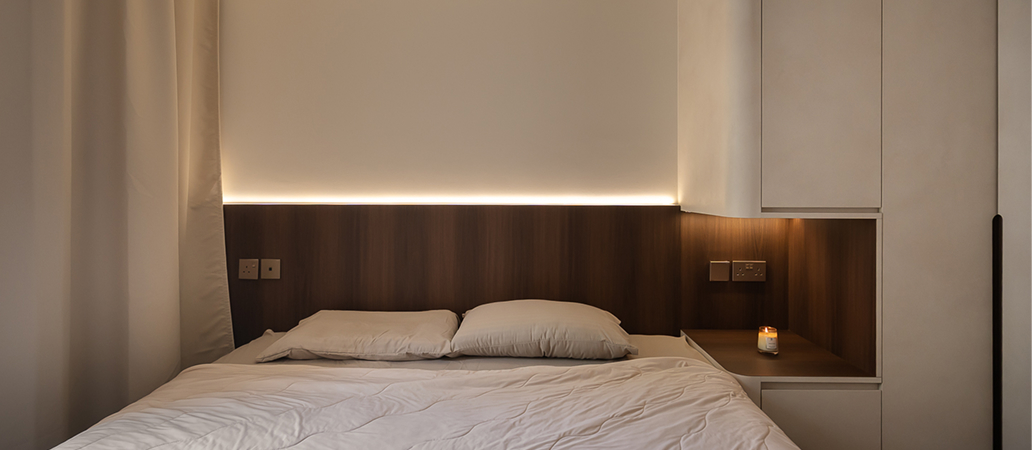
For modern homeowners in Singapore, quiet luxury is not about excess. It is about balance, durability, and details that feel considered. Soothing interior design can express luxury through seamless carpentry, well-aligned finishes, refined colour transitions, durable hardware, and layouts that make daily life smoother.
This matters to homeowners who fear poor workmanship, hidden issues, or design choices that look impressive at first but become inconvenient later. A calm home should still be practical, with well-planned storage, fittings chosen for long-term use, and material pairings that continue to feel cohesive as daily needs evolve. True luxury lies in how effortlessly the space supports everyday living, while giving homeowners confidence that the renovation has been thoughtfully resolved from both a design and workmanship perspective.
Bringing Calm, Comfort, and Quiet Luxury Together
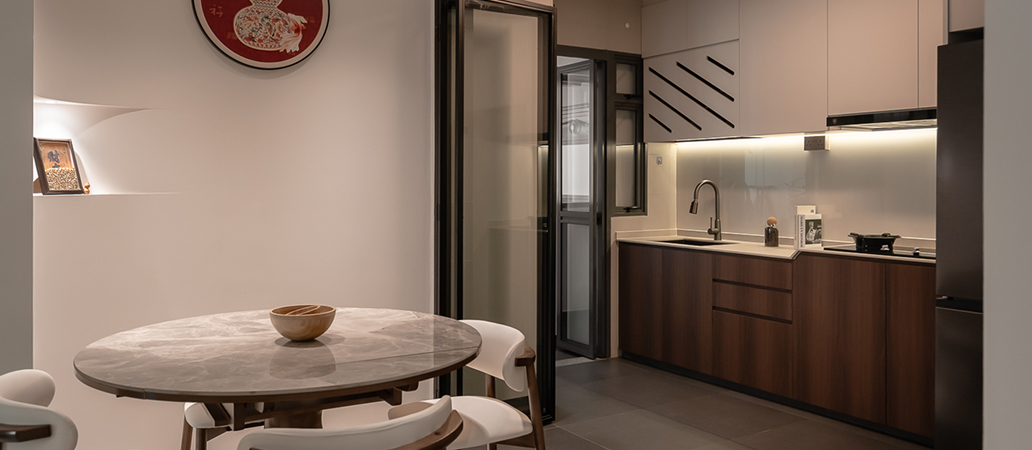
A restorative living environment is created through many connected choices, from how the home is planned to how materials, lighting, storage, and proportions work together. Instead of following fast-moving design trends, Singapore homeowners can benefit from homes that feel grounded at the end of a long day and remain comfortable over time. For homeowners seeking luxury interior design solutions in Singapore that feel quietly elevated rather than excessive, Jialux Interior Pte Ltd translates complex renovation decisions into homes that feel cohesive, functional, and deeply considered, without losing the comfort that makes daily living easier. Begin your renovation journey with us to create a home that is thoughtfully planned for comfort, clarity, and the way you unwind each day.