
Introduction
1.1. Why Monochrome Interior Design Reflects a Shift in How Luxury Is Experienced at Home
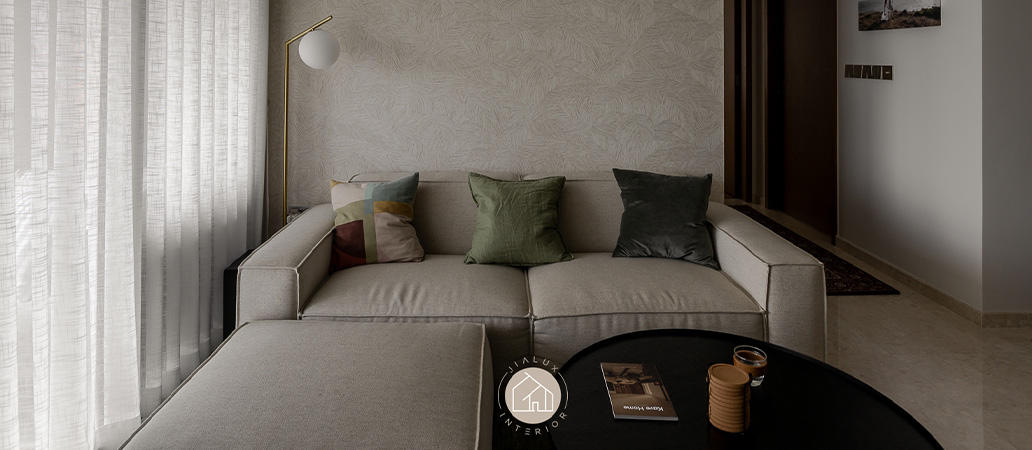
In Singapore, the perception of luxury interiors has evolved from visual impressiveness towards emotional sustainability, where homes are expected to support calm, focus, and recovery from daily urban intensity. As work, family life, and personal routines increasingly overlap within the same space, homeowners are becoming more conscious of how their interiors influence mental clarity and long-term comfort.
As homeowners spend more time at home across different life stages, interior environments are now assessed by how they feel during routine moments. Visual appeal in photographs is no longer the only measure. Practical considerations such as visual calm, ease of maintenance, and how spaces transition from day to night now carry greater weight than decorative impact alone.
Monochrome interior design has gained relevance because it reduces visual noise and removes unnecessary stimulation, allowing occupants to feel grounded rather than overwhelmed. By limiting colour contrast and focusing on tonal variation, the home becomes easier to live in, particularly in compact or high-density residential settings in Singapore.
This shift reflects a broader design maturity, where restraint is chosen deliberately, signalling confidence and discernment rather than minimalism or austerity. Homeowners are moving away from trend-driven statements towards interiors that feel settled, intentional, and appropriate for long-term living.
By prioritising coherence, proportion, and material quality, monochrome interiors redefine luxury as something lived and sustained, not displayed. The result is a home that supports daily life quietly and consistently, offering a sense of balance that grows more valuable over time.
Key Takeaways
- Thoughtful restraint in design enhances a home’s sense of calm, clarity, and cohesion, making spaces easier to live with every day.
- Prioritising high-quality materials, finishes, and craftsmanship ensures that a home ages gracefully and maintains its refined appearance over time.
- Consistent tonal choices and careful spatial planning improve flow, perceived spaciousness, and comfort in compact or high-density residences.
- Attention to detail in execution, lighting, and texture allows a home to feel complete and intentional, fostering long-term satisfaction and emotional ease.
What a Monochrome Palette Actually Looks Like: A Practical Guide
Before exploring monochrome as a design philosophy, it helps to see what it looks like in practice. A workable monochrome interior design palette in Singapore typically follows a simple ratio:
- Roughly 60% base tone (walls, larger surfaces)
- 30% secondary tone (furniture, cabinetry)
- 10% accent (hardware, lighting, small details).
This structure helps add depth to a space without losing cohesion.
Choosing Your Whites and Greys
Cool whites with blue undertones give any space a crisp, modern look. On the other hand, warm whites with yellow or pink undertones, tend to feel softer and more inviting, especially in units with less direct natural light.
Greys are great for striking a balance. Lighter shades can help soften walls, while mid-greys add weight to furniture. For drama without the intensity, consider a shade for charcoal.
Applying Monochrome Room by Room
- Living room: A warm white or light grey base with mid-grey or charcoal furniture keeps the space calm while giving the sofa and media console visual presence.
- Bedroom: Layering two or three tones from the same family helps creates depth without disrupting the restfulness the room needs.Think soft white beddings with a grey headboard and charcoal accent cushions.
- Kitchen: Matte black or charcoal cabinetry against a warm white or stone-toned countertop is a classic monochromatic pairing. Moreover, it hides everyday marks better than pure white surfaces.
- Bathroom: Large-format tiles in a single grey tone, paired with black or brushed-metal fittings, can make a compact bathroom feel more expansive by minimising visual breaks between surfaces.
PART 2 – Monochrome Interior Design as a Luxury Framework, Not a Colour Choice
2.1. What Monochrome Interior Design Really Means Beyond Black and White
Redefining Monochrome as Tonal Composition
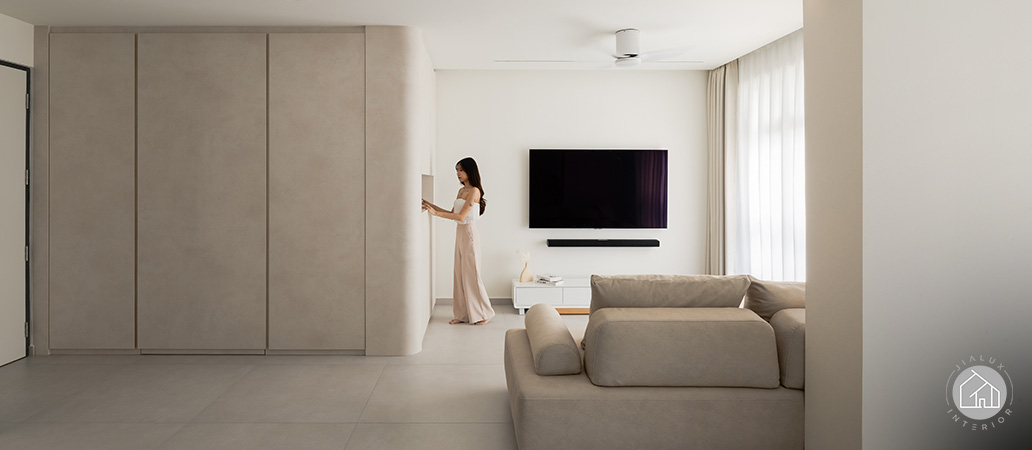
Monochrome interior design is not about limiting a space to one flat colour, but about composing a controlled range of tones that belong to the same visual family. This approach relies on subtle tonal shifts rather than contrast, allowing a space to feel intentional and considered instead of visually restrictive.
This method uses intentional variation in warmth, saturation, and brightness, allowing surfaces to relate to one another while avoiding a repetitive appearance. When executed well, the result is a tonal interior palette that introduces depth and hierarchy while maintaining visual calm, making the space feel layered rather than uniform
Why Neutral Variation Matters in Singapore Homes
Monochrome interior design in Singapore homes works best when it incorporates warm whites, greiges, mineral greys, and stone-inspired hues rather than relying on stark black-and-white contrasts. These tones respond more comfortably to the region’s strong daylight and frequent shifts in natural light throughout the day.
Such tonal ranges help soften glare, reduce harsh shadows, and maintain visual comfort throughout the day. This is especially relevant in residential interior design, where window orientation, surrounding buildings, and reflected light can vary significantly from unit to unit.
Luxury Implications of Tonal Discipline
When colour contrast is reduced, monochrome interior design places greater emphasis on proportion, alignment, and detailing. Without bold colours to distract the eye, inconsistencies in joinery, finishing, and spatial planning become more noticeable.
As a result, good craftsmanship becomes more apparent, while poor execution is harder to conceal. This makes monochrome a demanding but rewarding design approach, one that quietly elevates a space through precision rather than visual excess.
2.2. How Restraint Shapes Spatial Clarity and Daily Experience in Singapore Homes
Visual Continuity Across Daily Movement
In practice, monochrome interior design reduces visual breaks between rooms, allowing spaces to feel connected without relying solely on open layouts. Walls, floors, and built-ins relate more fluidly, which supports intuitive movement and creates a sense of coherence across the home.
This continuity helps reduce the feeling of compartmentalisation that is common in compact floor plans. Movement from living areas to private spaces feels calmer and more predictable, which contributes to a smoother daily experience.
Perceived Spaciousness Without Structural Change
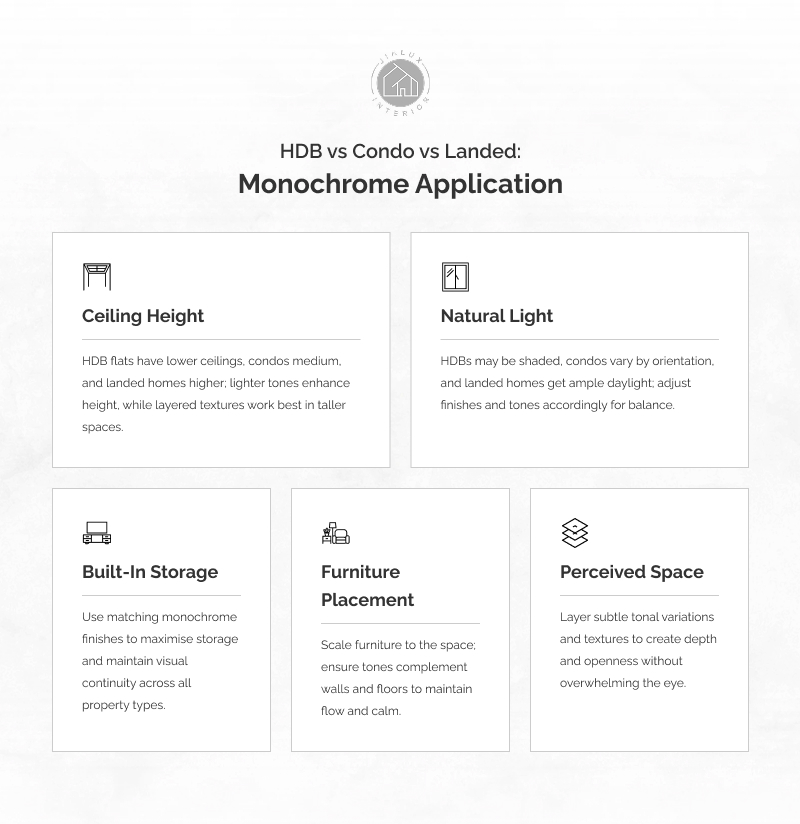
Monochrome interior design relies on a unified palette to reduce visual clutter, which helps rooms feel wider, taller, and more airy. This approach helps architectural elements, such as ceilings, built-in storage, and wall surfaces, stand out more clearly, as they are no longer competing with strong colour contrasts.
In HDB flats, tonal continuity can make compact rooms feel more expansive, while in landed houses it highlights ceiling height and material layering, and in condos it balances natural light with furniture placement for visual comfort. This makes restraint especially valuable in high-density living environments.
Impact on Daily Routines
Calm visual environments created through monochrome interior design tend to support activities like rest, focused work, and unwinding more effectively than visually expressive interiors. Over time, these spaces demand less cognitive adjustment, allowing occupants to settle into routines more naturally.
Because the environment remains visually stable, homeowners are less likely to feel overstimulated or distracted by their surroundings. This contributes to long-term comfort rather than short-term impact.
Why This Matters in Singapore Living
In Singapore, homes often serve multiple purposes, functioning as workspaces, family areas, and spaces for hosting guests. Visual neutrality allows these shifts to happen without requiring the space to be constantly reinterpreted or rearranged.
In dense estates where neighbouring blocks are closely spaced, careful control of tones and finishes also helps manage fluctuating daylight and uneven orientation. This reduces glare and harsh contrast at different times of day, supporting a more consistent living experience.
2.3. Luxury Without Excess: Why Edited Homes Age Better Than Expressive Ones
The Short Lifecycle of Expressive Interiors
Highly expressive interiors built around strong colour statements or feature-driven designs often reflect specific moments in time. As preferences change, these spaces can feel dated more quickly, prompting dissatisfaction or early renovation.
Such interiors may initially feel impactful, but they often lack flexibility as lifestyles evolve. Over time, their visual intensity can become tiring rather than comforting.
Monochrome as a Long-Term Framework
Monochrome interior design functions as a stable framework rather than a fixed statement. Restrained palettes accommodate change more easily, allowing furniture, artwork, and personal objects to evolve without visual conflict.
Because the core remains stable and cohesive, you can introduce updates incrementally rather than having to perform a complete overhaul. This adaptability supports long-term ownership and sustained satisfaction.
Emotional Durability and Ownership
Homes designed with restraint tend to feel settled rather than constantly in flux. Luxury is experienced not through novelty, but through ease, familiarity, and confidence in the space.
Over time, this sense of stability becomes more valuable than visual impact, reinforcing why edited, monochrome homes continue to age with relevance and quiet assurance.
PART 3 – How Depth, Warmth, and Craft Define Luxurious Monochrome Homes
3.1. Material Hierarchy: Where Luxury Becomes Visible When Colour Is Reduced
Establishing Visual Order Through Materials
In this approach, materials replace colour as the primary organising system within a home. When hues are intentionally restrained, surfaces, textures, and finishes become the elements that define structure and hierarchy. A clear material order helps a space read as composed and deliberate, rather than flat or repetitive.
This clarity is key to crafting luxury monochrome interiors that feel fully resolved rather than merely minimal. Balance can be achieved by pairing timber flooring with matte stone surfaces, visual calm and tactile warmth.
Material-Led Luxury Versus Colour-Led Luxury
Colour-led interiors often rely on bold contrasts to generate interest and personality. In contrast, this approach is rooted in a material-led interior design philosophy, where authenticity, texture, and proportion convey a sense of quality and craftsmanship. Natural timber, stone, and brushed metals communicate refinement without relying on colour contrast.
This distinction is particularly important in luxury interior design in Singapore, where homeowners increasingly prioritise longevity and craftsmanship over decorative statements that may age quickly.
Why Restraint Exposes Quality
Natural materials introduce subtle variation that feels organic and enduring. Grain, veining, and surface texture add depth without visual noise, reinforcing a timeless interior design approach that feels refined and enduring.
At the same time, inferior finishes, uneven joints, or poor detailing become immediately noticeable when colour is no longer masking imperfections. Because monochrome interior design removes visual distractions, it demands a higher standard of execution.
Design Discipline in Execution
Jialux Interior Pte Ltd approaches monochrome interior design by prioritising material integrity and alignment, ensuring each surface contributes meaningfully to the overall composition rather than serving as decoration. This disciplined approach supports calm and understated homes that feel considered rather than staged.
Their role often includes guiding homeowners through material trade-offs, where durability, tactile quality, and long-term ageing are weighed carefully against visual preference. This process enables clients to make confident decisions that support everyday living while building long-term value.
3.2. Texture, Finish, and Light as the Primary Design Drivers
Texture as Spatial Depth
Within monochrome interior design, texture becomes a key source of contrast. Soft furnishings, structured joinery, and subtly textured wall treatments introduce variation without disrupting visual continuity. This layering adds depth while preserving calm.
Tactility also plays an important role in creating emotional warmth. Spaces that feel pleasant to touch tend to feel more inviting, which is particularly relevant in private living environments.
Finish Control in Singapore’s Climate
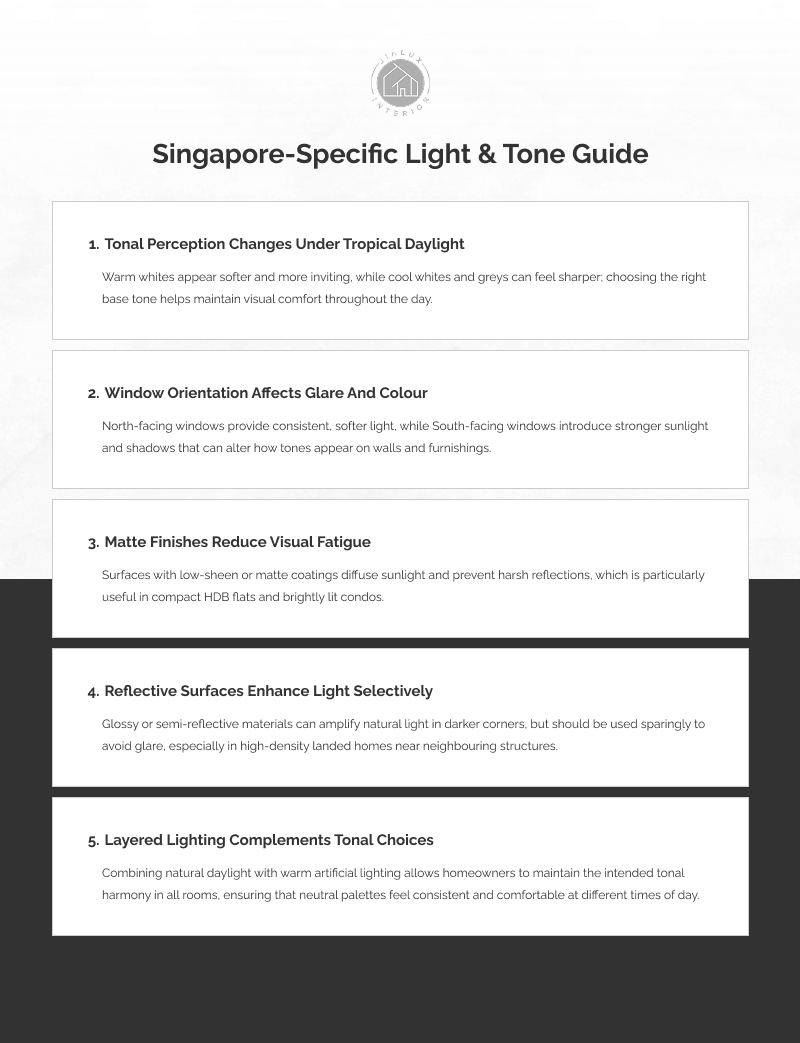
In Singapore’s bright and humid climate, finish selection has a significant impact on comfort. Matte and low-sheen finishes are commonly favoured in monochrome interior design because they reduce glare and visual fatigue during the day. Reflective surfaces are used selectively, often to enhance natural light rather than dominate it.
This approach is especially effective in condo interior design, as condo interiors often require careful reflection control near neighbouring buildings, as compared to landed houses, which benefit from layering light across higher ceilings and more open spaces.
Light as an Active Design Element
Natural light plays an active role in revealing tonal variations throughout the day. Subtle shifts in brightness and shadow allow a restrained palette to feel dynamic rather than static. Artificial lighting then reinforces calm through softness and control, supporting evening routines without introducing dramatic contrast.
Design Intent
Jialux Interior Pte Ltd treats lighting and finish as integral components of spatial composition, not afterthoughts. Their role often involves translating technical lighting plans and detailing decisions into clear, practical choices that homeowners can confidently approve, particularly in landed house interior design in Singapore, where scale adds complexity.
3.3. Precision, Editing, and Why Restraint Exposes Poor Workmanship
Higher Scrutiny with Fewer Elements
In this type of design, every junction, alignment, and transition becomes more visible because fewer elements are competing for attention. Errors in carpentry, tiling, or finishing cannot be concealed behind strong colours or patterns.
This heightened scrutiny places greater emphasis on coordination across trades, especially in older homes undergoing HDB resale interior design, where existing conditions can be uneven or unpredictable.
Editing as a Professional Skill
Understanding what should be omitted matters just as much as understanding what should be included. Effective monochrome interior design requires careful editing to prevent over-design, which can undermine clarity and coherence.
Professional restraint ensures that every element serves a purpose, contributing to a sense of order rather than visual clutter.
Detail as the True Signal of Luxury
Clean lines, resolved transitions, and proportionate relationships are what ultimately define refinement. Visual calm is achieved through accuracy and consistency, not emptiness. When detailing is precise, the space feels complete rather than sparse.
Design Philosophy In Practice
Jialux Interior Pte Ltd applies restraint as a disciplined process, ensuring spaces feel finished and intentional. This includes coordinating execution precision across trades so that designed decisions are carried through consistently on site, reinforcing long-term quality and trust in the finished home.
Questions You Might Ask
1. Is Monochrome Interior Design Suitable For Long-Term Living In Singapore?
Yes. Monochrome interiors provide a stable visual framework that adapts well to lifestyle changes. Because they rely on tonal continuity rather than strong colour statements, these spaces remain relevant as furniture, habits, and family needs evolve. This makes them especially suitable for homeowners who plan to live in their homes for the long term. JiaLux Interior Pte Ltd designs monochrome interiors with longevity as a core consideration, helping homeowners translate long-term lifestyle needs into clear design decisions early in the process.
2. Will A Monochrome Home Feel Cold Or Impersonal?
A monochrome home only feels cold when material warmth and lighting are neglected. When texture, proportion, and illumination are carefully considered, restrained interiors often feel calmer and more welcoming than highly expressive ones. JiaLux Interior Pte Ltd focuses on achieving emotional warmth through materiality rather than colour, guiding clients through finish and detailing choices that balance calm with comfort.
3. Is Monochrome Interior Design Limited To Modern Aesthetics?
No. Monochrome functions as a framework rather than a style. By adjusting materials and detailing, it can suit contemporary, transitional, or understated classic homes. JiaLux Interior Pte Ltd applies monochrome principles with flexibility, responding to the architectural context rather than imposing a fixed aesthetic, and helping homeowners navigate their stylistic preferences without sacrificing overall coherence.
4. Does Designing With Restraint Limit Personal Expression?
Restraint often enhances personal expression by allowing meaningful objects to stand out. Calm environments highlight individuality through curation rather than accumulation. JiaLux Interior Pte Ltd designs interiors that offer personal identity to evolve, while ensuring key design decisions remain aligned and intentional throughout the renovation process.
Conclusion
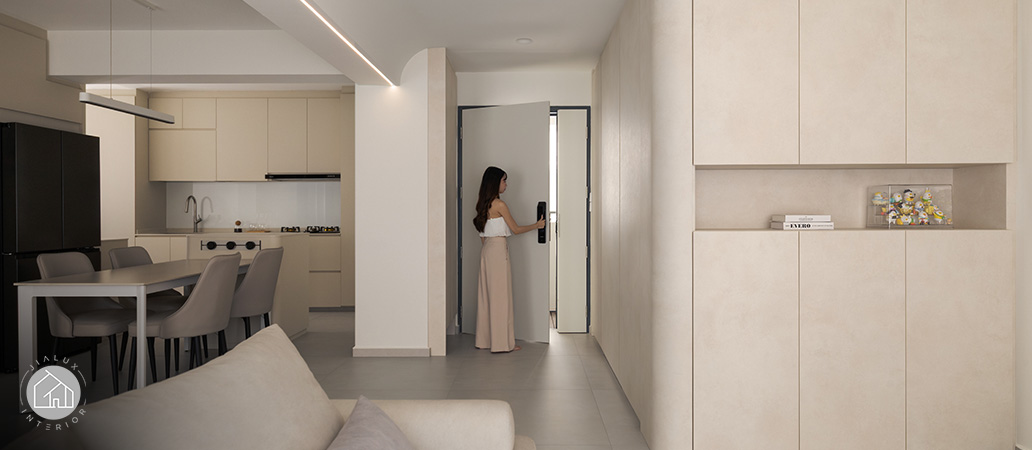
Monochrome interior design embodies a deliberate and confident expression of luxury, defined by clarity, longevity, and thoughtful restraint. Rather than relying on visual impact alone, it prioritises environments that support daily living through balance, calm, and consistency.
By emphasising material integrity, thoughtful proportions, and precise detailing, this design approach creates homes that feel composed and grounded rather than performative. Over time, such spaces become more comfortable to live in, as they place less visual demand on occupants while allowing quality and craftsmanship to come through quietly.
In Singapore’s dense urban environment, monochrome interior design provides not only aesthetic appeal but also practical benefits. Controlled palettes help manage daylight, reduce visual fatigue, and support long-term comfort in homes that often serve multiple functions throughout the day.
Achieving this level of refinement requires working with designers who can translate complex design considerations, material decisions, and on-site execution into clear and coherent direction. Jialux Interior Pte Ltd plays this role by guiding homeowners through each stage with clarity and discipline.
For homeowners seeking a refined interior grounded in restraint, material quality, and thoughtful execution, consult Jialux Interior Pte Ltd to explore how a streamlined aesthetic can be translated into a home that reflects your lifestyle with quiet confidence and enduring clarity.