

Key Takeaways
- Thoughtful illumination affects how comfortable, calm, and practical a home feels long after renovation is complete.
- Light should support daily routines, from brighter task areas in the morning to softer settings that help the home feel restful at night.
- A refined atmosphere comes from balance and restraint, not simply making every room brighter or adding decorative fixtures.
- Early decisions on switches, ceiling points, and built-in features help prevent glare, awkward placement, and costly changes later.
Why Lighting Shapes the Way a Home Feels
Lighting design for homes is often considered only after the layout, carpentry, and material palette have been decided. However, light has a lasting effect on how a home feels after renovation is completed. In Singapore, where homes often need to support work, rest, family routines, and hosting within compact layouts, lighting helps define comfort, clarity, and atmosphere. It affects whether a room feels calm or harsh, open or compressed, easy to use or visually tiring. When planned early, lighting becomes part of the home’s emotional rhythm, not just a functional detail added near the end.
Lighting and the Rhythm of Daily Living
Lighting design for homes should respond to how people move through the day. A bright kitchen may support early morning preparation, while softer bedroom lighting helps the body transition into rest at night. In the living room, lighting may need to support reading, family time, television viewing, or quiet evening conversations. This is where thoughtful residential lighting design becomes important. It considers not only where lights are placed, but also how each space is used at different hours. For homeowners planning an interior design project in Singapore, this approach helps create a home that feels practical without becoming overly bright or visually tiring.
Atmosphere as a Result of Light and Restraint
Lighting design for homes is not about making every corner equally bright. In refined interiors, a room that feels calm, balanced, and comfortable rather than visually harsh or overstimulating is often shaped by restraint in the placement, softening, and layering of light. A room that is overlit can feel flat, cold, and uncomfortable, even if the finishes are expensive. Controlled lighting allows shadows, textures, and proportions to be appreciated more naturally. For example, warm lighting against a feature wall, soft illumination near built-in shelving, or indirect lighting along a ceiling detail can create quiet depth without overwhelming the space. This is especially important in Singapore homes, where glossy surfaces, mirrors, and compact room sizes can make glare more noticeable when lighting is not carefully balanced.
Subtle Luxury Through Control and Consistency
True luxury in lighting is rarely about visual excess. It is usually felt through consistency, comfort, and visual calm. Instead of relying on decorative fittings alone, lighting design for homes can support a quiet luxury aesthetic through concealed light sources, even colour temperature, and smooth transitions between spaces. Good home lighting planning also considers practical details, such as whether lights fall directly into the eyes when seated, whether wardrobes are easy to use, and whether task areas are properly illuminated. For homeowners approaching condo living interior design, this level of control helps smaller or more open layouts feel polished, restful, and cohesive.
Long-Term Impact of Early Lighting Decisions
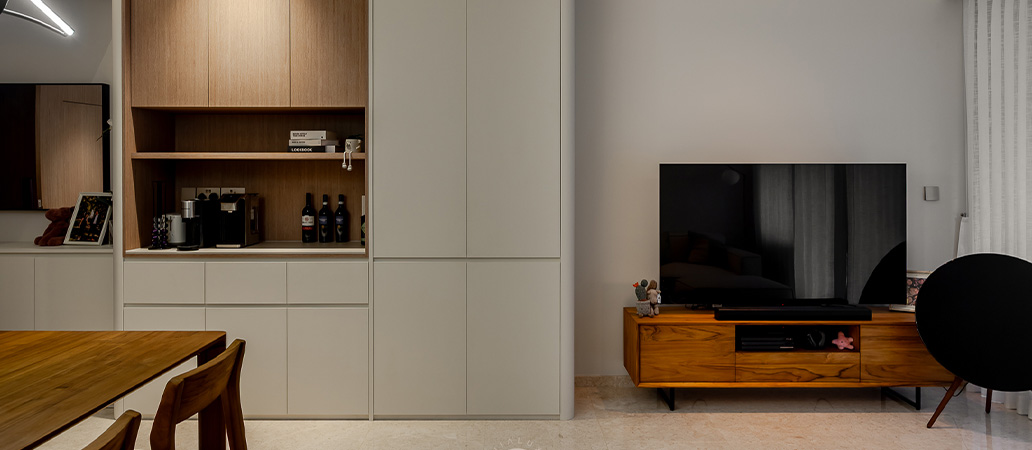
Lighting design for homes should be considered before renovation details are finalised, because lighting affects electrical works, ceiling plans, carpentry design, and daily usability. When these decisions are rushed, homeowners may later experience dark corners, awkward glare, limited flexibility, or lighting that does not suit their furniture placement.
Early planning is especially important for BTO owners, resale homeowners, and families upgrading from older flats, as changes can become more disruptive once hacking, wiring, ceiling works, and built-ins are completed.
Switch Placement That Affects Everyday Ease
Switch placement may seem like a small detail during renovation planning, but it has a direct effect on how naturally the home functions each day. A poorly placed switch can become frustrating over time, especially in bedrooms, corridors, kitchens, and open-plan living areas. For example, a homeowner may need to cross the room to turn off a light, or realise that several lighting zones have been grouped together when they should work separately. Thoughtful switch planning makes the home feel more intuitive, allowing lighting to support routines without unnecessary movement or inconvenience.
Ceiling Points That Shape Future Flexibility
Ceiling points influence how comfortably a room can be arranged, used, and adapted after renovation is complete. A dining light that does not align with the table, a living room light that sits awkwardly above the sofa, or a bedroom light that causes glare when viewed from the bed can make an otherwise considered space feel unsettled. Planning these points early also gives homeowners more flexibility if they later adjust furniture placement or add layered lighting. This helps the home remain practical beyond the first few years of use, rather than feeling fixed around one arrangement.
Carpentry Lighting That Supports Long-Term Use
Carpentry lighting should be planned as part of the built-in design, because it affects both function and refinement over time. Wardrobe interiors, kitchen counters, bathroom vanities, and display shelves often benefit from subtle, well-positioned lighting because these areas are used at close range. In a compact Singapore home, this can make storage easier to access, food preparation more comfortable, and display features more refined. When integrated carefully, carpentry lighting supports daily convenience while preserving a composed, understated interior.
Lighting as Part of a Cohesive Design Framework
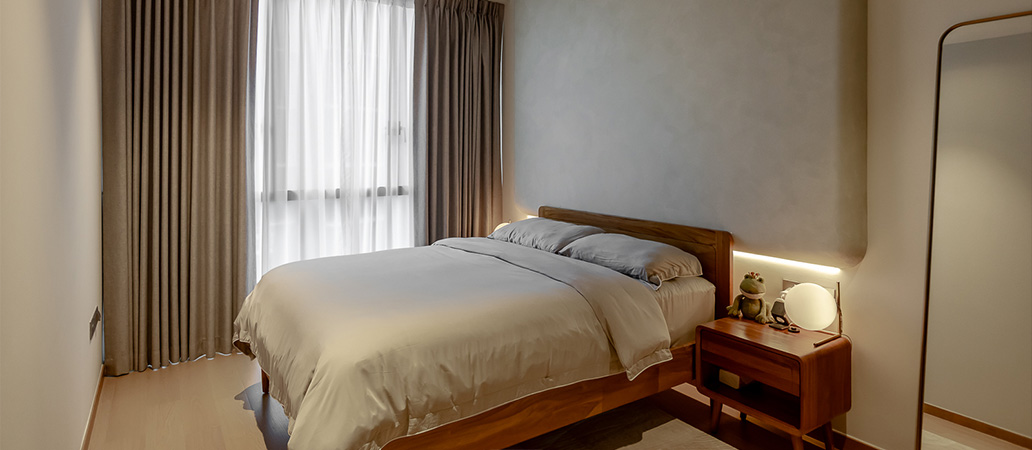
A well-designed home does not treat lighting as a separate decorative layer. Light should support the way materials, colours, carpentry, and furniture work together. Soft timber tones, stone surfaces, textured panels, and neutral palettes can all look very different depending on the type and direction of light used.
This may involve a balanced mix of general illumination, focused task lighting, and softer accent lighting, so each room can serve both practical use and atmosphere without relying on a single overhead source. Carefully planned ambient lighting for interiors helps these elements feel connected rather than fragmented. In a calm and sophisticated home, lighting should guide movement, support daily routines, and bring out the intended mood of each room without calling too much attention to itself.
Bringing Light Into a More Considered Home
Lighting is one of the most lasting details in how a home is experienced every day. It affects comfort, mood, usability, and the sense of ease homeowners continue to feel long after the renovation is complete. For Singapore homeowners who want a timeless and elevated home, good lighting should be planned with the same care as layout, carpentry, and materials.
Jialux Interior approaches this as part of a cohesive design process, translating the complexity of lighting, space planning, and material decisions into homes that feel calm, practical, and quietly luxurious. As a luxury interior design firm, Jialux Interior considers lighting not as an afterthought, but as an essential part of a home’s long-term comfort and liveability.
Speak with us to plan your lighting, layout, and material details from the start, so your home supports daily comfort, visual balance, and lasting ease.