
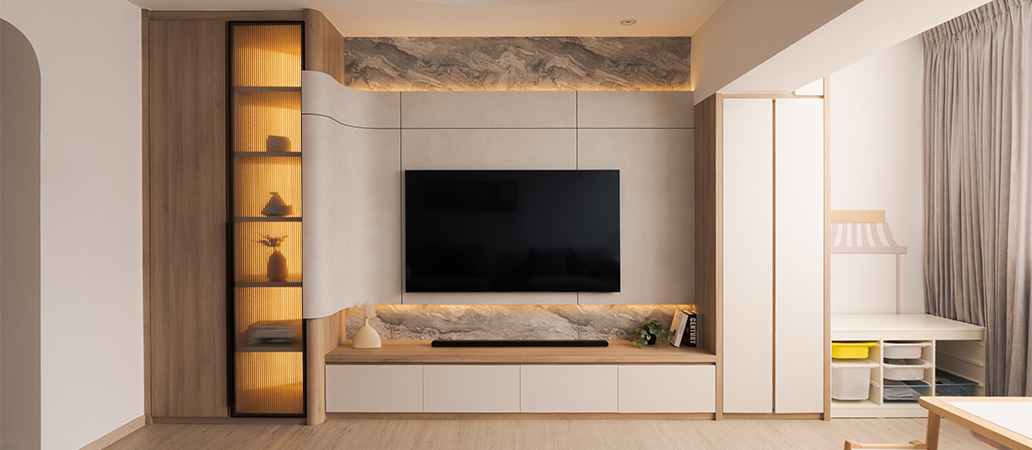
Key Takeaways
- A well-planned home is not only about how it looks at handover, but how comfortably it supports daily routines, storage needs, movement, and lifestyle changes over time.
- Durable materials, reliable fittings, and thoughtful carpentry details help reduce the need for early replacement, especially in Singapore’s humid climate and compact living environments.
- Planning around real household habits can prevent unnecessary built-ins, awkward layouts, and future rework, making the renovation process more practical and less wasteful.
- Quiet luxury is shaped through restraint, balanced proportions, calm finishes, and considered design judgement, creating a home that feels refined without relying on short-lived trends.
Rethinking Sustainability Beyond Green Materials
Sustainable interior design is often described through eco-labelled materials, recycled finishes, or energy-saving features. While these can be useful, they do not fully explain what sustainability means in a lived-in Singapore home.
For many homeowners, the more practical question is whether a renovation can remain functional, refined, and relevant after years of daily use. A sustainable home is not only greener at the point of completion. Instead, it is planned to reduce waste, avoid unnecessary rework, and support a quieter form of luxury built on durability, proportion, and restraint.
Sustainability as a Measure of Long-Term Design Thinking
In home renovations, sustainable interior design begins with decisions that hold up over time. This includes layouts that support daily routines, storage that grows with changing needs, and design choices that avoid feeling dated too quickly.
For first-time BTO owners, upgrading families, and older resale homeowners, sustainable home renovation is often about making choices that continue to support the household well beyond the first few years. This is why long-term interior design planning matters, as it helps homeowners think through future routines, storage needs, and lifestyle changes before renovation work begins.
Material Selection Grounded in Performance and Ageing
Sustainable interior design also depends on how materials perform in Singapore’s climate. Beyond appearance, homeowners should also consider product specifications, maintenance needs, and how selected finishes may affect indoor comfort over time. Humidity, heat, cleaning frequency, and everyday wear all affect whether finishes remain attractive and usable.
A material that looks impressive at first may not be suitable if it stains easily, warps, or requires constant maintenance. In this sense, luxury is not about choosing the most eye-catching surface. It is about selecting finishes, laminates, hardware, and carpentry details that age quietly, maintain their structure, and continue to support a polished home environment without frequent replacement.
Reducing Waste Through Disciplined Planning
A large part of renovation waste comes from decisions that were not resolved clearly at the planning stage. When layouts are overbuilt, storage is added without purpose, or customised features do not match real habits, homeowners may end up hacking, replacing, or revising the corrected work earlier than expected. In practical housing and interior design, renovation decisions should begin with a disciplined understanding of how the household lives. This is why the most effective planning often starts with the details homeowners repeat every day.
For compact Singapore homes, planning should begin with how the space is actually used each day. This includes how people move through shared areas, where clutter tends to gather, how often certain zones are used, and whether storage is accessible enough to be maintained over time. These details help prevent unnecessary built-ins, awkward layouts, or features that look useful on paper but fall short in everyday living.
Custom carpentry can still be valuable, especially when it improves storage, proportion, and finish. However, it should be used with intention rather than applied to every available corner. A more considered approach is to customise where it genuinely improves function, while keeping selected areas adaptable for future furniture, changing routines, or evolving lifestyle needs.
Quiet Luxury Through Restraint and Responsibility
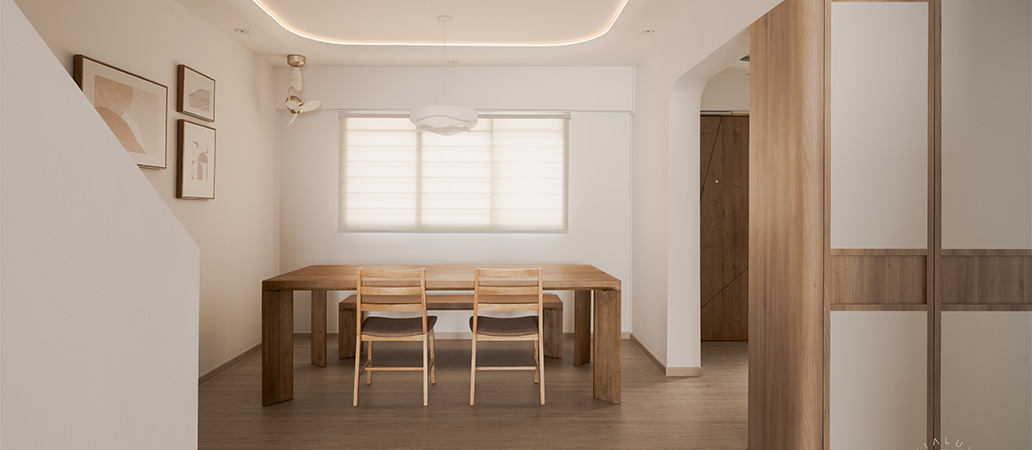
Sustainable interior design fits naturally with quiet luxury because both rely on restraint. Instead of filling every wall with feature panels or chasing fast-moving trends, a more enduring home uses calm palettes, balanced proportions, cohesive textures, and finishes chosen for relevance. In this context, eco-conscious interior design becomes more than an environmental label. It becomes a way of creating interiors that feel composed rather than excessive. For Singapore homeowners who prefer softer, grounded aesthetics, restraint can make a home feel more spacious, elegant, and emotionally restful.
Sustainability as an Expression of Design Judgement
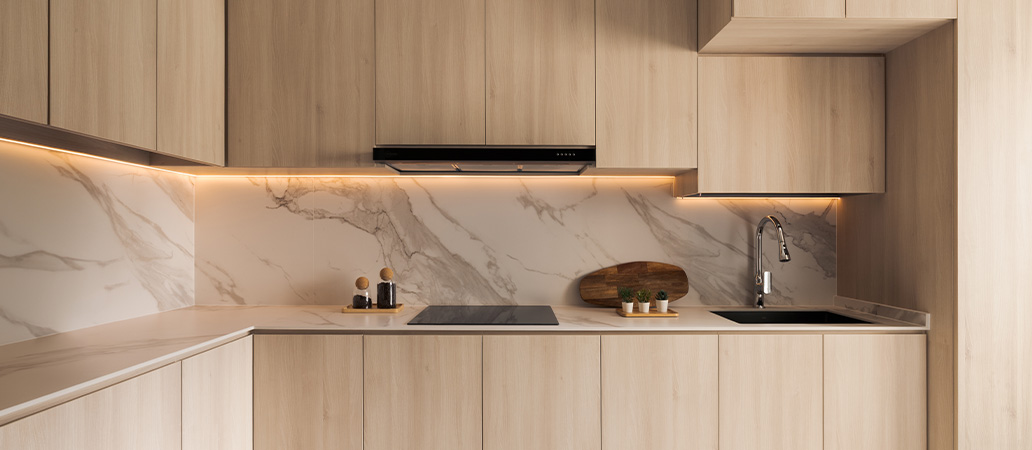
True sustainability requires judgement. It is the ability to weigh function, comfort, cost, longevity, and visual coherence together before decisions are made. In residential interior design, this matters because every choice affects another part of the home.
A storage solution may improve organisation but reduce walking space. A premium surface may elevate the room but require more careful upkeep. A trendy layout may look fresh now, but it limits flexibility later. This is why sustainable interior design depends on translating these trade-offs into clear, practical decisions that homeowners can understand and trust.
Creating a Home That Lasts with Quiet Confidence
For Singapore homeowners planning BTO interior design projects, resale upgrades, or more extensive home renovations, sustainability is not separate from luxury. It is part of what makes a home feel considered, stable, and worth investing in. A well-planned home reduces avoidable waste, supports daily routines, and remains visually calm even as life changes.
Jialux Interior Pte Ltd approaches this by translating the complexity of layout, material, workmanship, and lifestyle needs into a cohesive renovation direction, helping homeowners create spaces that feel refined, resilient, and carefully resolved. Start with a clearer design direction by working with our team to shape a home that balances quiet luxury, practical planning, and lasting value.