

Key Takeaways
- Fixed home features should be planned with long-term lifestyle changes in mind, not only immediate visual appeal.
- Good planning considers daily routines, storage habits, movement flow, and how naturally each feature supports the way homeowners live.
- Quality workmanship, durable materials, reliable hardware, and careful finishing affect how well these features hold up over time.
- A refined home does not need every wall filled. Thoughtful restraint helps the space feel calmer, more balanced, and more adaptable.
Why Fixed Carpentry Decisions Deserve Careful Thought
For many Singapore homeowners, built-in carpentry feels like a natural part of a well-designed home. It creates cleaner lines, conceals clutter, and helps compact spaces feel more considered. Yet because these fixtures are not easily moved or replaced, they should not be treated as a simple styling choice.
A wardrobe, display cabinet, kitchen system, study nook, or TV console can influence how a home is used every day, how flexible it remains, and how gracefully it ages. For BTO, condo, and resale homeowners, the real question is not simply how much can be built, but what should be built to achieve lasting purpose.
Permanence, Timing, and the Weight of Early Decisions
The appeal of built-in carpentry lies in its ability to make a home feel complete, but that same permanence also makes early decisions more important. Before confirming drawings or materials, homeowners should think beyond the first few months after moving in. Will the household need space for children, work-from-home arrangements, hobbies, ageing parents, or changing storage habits?
In Singapore homes, where every square metre matters, a fixed feature that solves today’s problem may create tomorrow’s limitation if it is planned too narrowly. This is why timing matters. Carpentry should be confirmed after daily routines, appliance needs, access points, and movement paths have been clearly understood, not simply because an empty wall looks like it should be filled.
Alignment Between Carpentry and Everyday Use
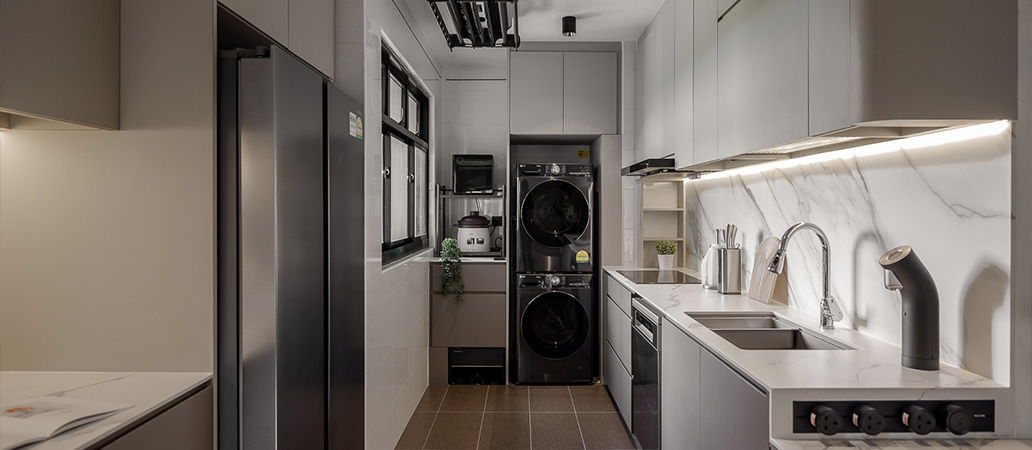
Well-planned built-in carpentry should feel almost invisible in daily life because it supports how homeowners naturally live. This means storage should be placed where items are actually used, doors and drawers should open without blocking movement, and proportions should suit the room rather than overwhelm it. For example, a full-height cabinet may look impressive on a drawing, but it can feel heavy in a narrow HDB corridor if its depth, colour, and placement are not carefully balanced. In the same way, custom built-in furniture should not only look tailored but also make routines easier, whether that means smoother kitchen preparation, neater entryway storage, or a calmer bedroom environment.
Craftsmanship, Material Integrity, and Long-Term Value
The quality of built-in carpentry is often revealed over time rather than immediately after handover. Doors that sag, laminates that peel, drawers that feel unstable, or edges that chip easily can quickly affect the comfort and confidence homeowners feel in their space. This is why material selection, internal support, drawer systems, finishing, and installation accuracy all matter.
Homeowners should also clarify how frequently used components such as drawer runners, cabinet edges, hinges, and laminate surfaces will be specified, as these details shape the everyday experience of the home more than they may appear to be at first.
Residential interior carpentry should be assessed not just by its exterior appearance, but by how well it can withstand Singapore’s humid climate, frequent use, and the practical demands of family life. A refined home does not need excessive ornamentation. Its value often comes from details that remain composed, reliable, and pleasant to use years later.
Restraint as a Marker of Refined Interiors
More built-in features do not always create a better home. In refined interiors, restraint helps a room feel calm, balanced, and comfortable rather than visually harsh or overstimulating. When every wall is filled with cabinets, the home can begin to feel rigid, enclosed, or overly designed.
Leaving some areas open allows furniture, light, artwork, and negative space to contribute to the atmosphere. This is especially important for homeowners who prefer quiet luxury, softer palettes, and a grounded aesthetic. Bespoke carpentry design should therefore consider what to leave untouched, not only what to construct. A well-composed home gives built elements enough presence to be useful, but enough breathing room for the space to remain adaptable and restful.
Translating Design Intent into Enduring Outcomes
A successful carpentry plan begins with clear design intent, but it also needs practical translation. Homeowners may know they want a timeless, elegant, and functional home, yet may not know how that translates into dimensions, finishes, storage zones, lighting coordination, or site constraints. This is where a broader design approach becomes important. Within residential interior design projects in Singapore, carpentry should work together with layout planning, material selection, colour direction, and renovation sequencing.
For HDB interior design, homeowners may need carpentry that makes compact rooms feel more open while ensuring storage remains practical and accessible. In condo renovation projects, carpentry may also need to account for management rules, built-in appliance requirements, and tighter spatial planning. The goal is not to make the home look expensive through volume, but to create a luxury experience through ease, order, comfort, and lasting coherence.
Make Every Built-In Decision Count
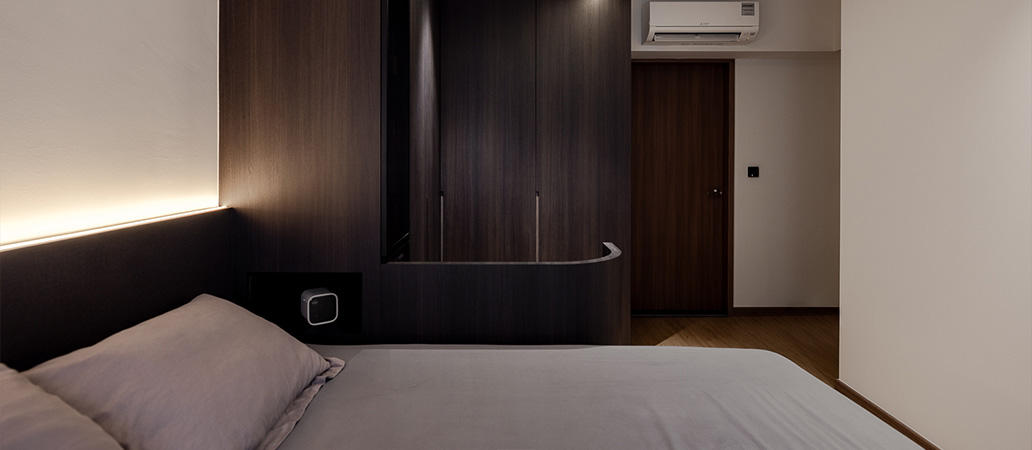
Before committing to built-in features, homeowners should consider how each decision will affect daily use, visual calm, future flexibility, and the way the home continues to support them over time. The most enduring homes are shaped by thoughtful choices rather than trends, supporting real living with quiet confidence.
Jialux Interior approaches carpentry as part of a wider home design framework, translating complex lifestyle needs, spatial constraints, and material decisions into a composed result that feels refined, practical, and personal.
Speak with us to plan built-in carpentry around your space, lifestyle, and long-term vision before committing.