
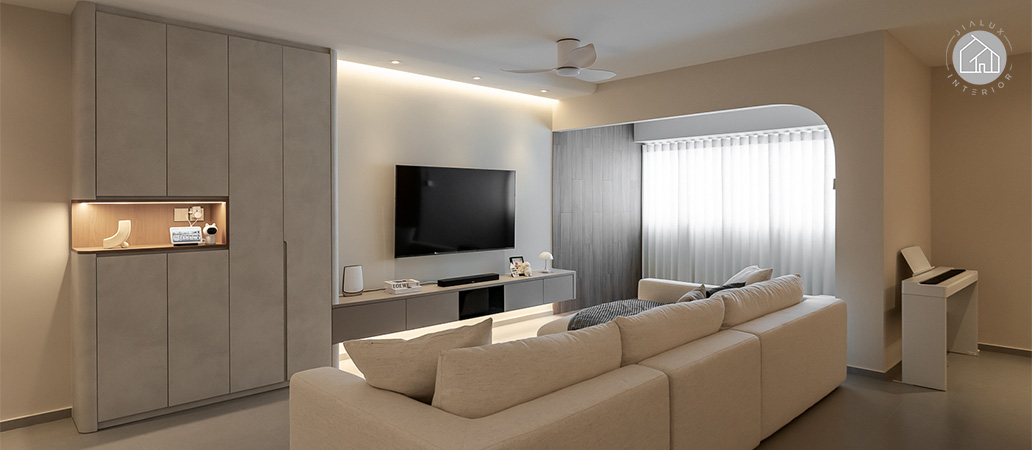
Key Takeaways
- Renovations that endure are shaped by early planning decisions that anticipate long-term habits, spatial flow, and future adaptability rather than short-term preferences.
- The durability of a home depends heavily on how internal structures and components are built, not just on surface finishes or visual impact at completion.
- Everyday elements such as storage systems and moving parts play a critical role in how a home performs over time, often determining whether it remains reliable or requires frequent intervention.
- Consistent execution and attention to detail are essential in translating design intent into a home that remains functional, composed, and dependable as it is lived in.
Introduction
In Singapore, a 4-room BTO flat is typically planned as a long-term residence rather than a transitional home. Homeowners expect it to support changing routines, evolving storage needs, and years of daily use without constant repair or redesign. A 4-room BTO renovation that stands the test of time is therefore assessed not by how striking it appears at handover, but by how reliably it performs as the home is lived in.
This distinction matters because many renovation shortcomings only surface after repeated daily use, when early decisions begin to carry visible consequences. Structural clarity, material discipline, and execution accuracy shape whether a space remains calm and functional or gradually deteriorates through compromise.
Planning Decisions That Prioritise Long-Term Usability and Structure
A well-considered renovation starts with planning decisions that prioritise how the home will be used for years to come, rather than how it will look in its first year. In a compact 4-room layout, every spatial decision affects circulation, storage efficiency, and long-term adaptability.
Without early resolution, seemingly minor layout compromises often result in daily inefficiencies that accumulate over time. Resolving planning considerations early reduces the need for future alterations, which frequently introduce structural weaknesses or visual inconsistency. This approach is especially relevant to BTO renovation planning in Singapore, where fixed building constraints demand precision from the outset.
What Long-Term Planning Looks Like In A 4-Room BTO
When planning is approached with longevity in mind, several foundational considerations guide the layout from the beginning:
- Clear zoning between shared and private areas to minimise daily friction
- Storage planned around actual habits rather than aspirational use
- Layout decisions are resolved early to prevent reliance on future modifications that compromise build integrity
By anchoring planning around real usage patterns, the home develops a natural rhythm that continues to support daily life as needs evolve.
Carpentry Built for Longevity Rather Than Initial Appearance
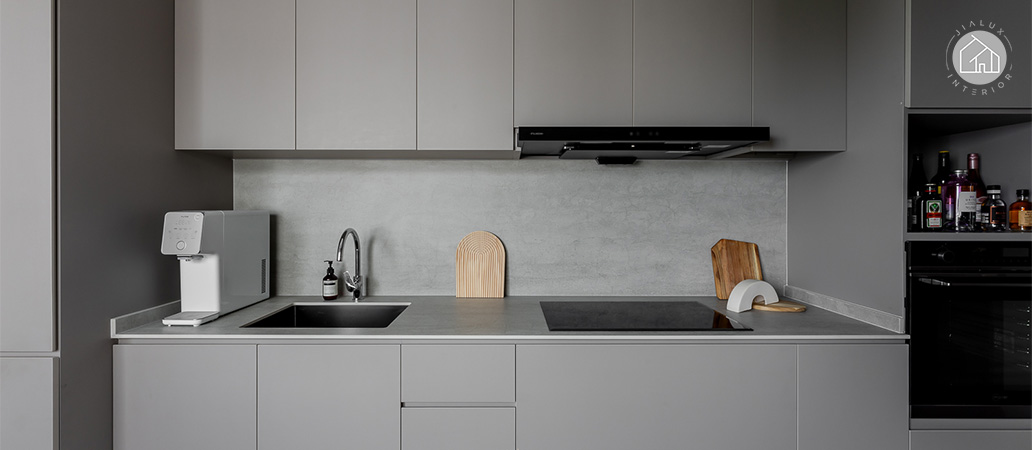
Carpentry forms the backbone of many interior elements in a 4-room BTO renovation, influencing both daily function and long-term durability. While surface finishes often draw attention, it is the internal structure and fabrication accuracy that determine how well carpentry ages.
Poorly constructed carpentry can appear acceptable at completion yet degrade quickly under regular use, particularly in storage-intensive homes. Homes designed around timeless BTO interior design principles tend to reveal flaws quickly if construction quality is poor, making durability a foundational requirement rather than an optional upgrade.
Indicators of Carpentry Designed for Long-Term Performance
To endure years of use without visible deterioration, carpentry must be designed and executed with care, incorporating:
- Internal structures that support load and repeated use without deformation
- Precise alignment that prevents long-term sagging or warping
- Finishes selected to age evenly rather than highlight wear
When carpentry is treated as a long-term structural element rather than a decorative layer, it continues to support both function and visual calm.
Hardware Choices That Support Consistent Daily Use
In any 4-room BTO renovation, hardware is one of the most frequently used components, yet it is often underestimated during decision-making. Hinges, drawer systems, and moving mechanisms endure constant stress, making reliability essential for long-term performance.
When hardware quality is insufficient, operational issues tend to surface early, regardless of how refined the surrounding finishes may be. In long-term home design, choosing the right systems is vital, as hardware failures are often the earliest point of breakdown in an otherwise well-finished home.
Why Hardware Selection Affects How a Home Ages
Thoughtful hardware choices influence not only usability, but also the longevity of surrounding carpentry:
- Components that endure frequent daily movement without failure
- Systems that reduce stress on joints and panels over time
- Mechanisms that maintain smooth, quiet operation with prolonged use
These considerations are especially critical for homeowners investing in a BTO home renovation that is intended to remain stable rather than require incremental fixes.
Visual Consistency Achieved Through Controlled Design Decisions
A 4-room BTO renovation designed for longevity avoids excessive reliance on fast-moving trends. Visual consistency is achieved through restrained material palettes, balanced proportions, and detailing that accommodates natural wear without appearing dated.
This approach is central to luxury residential interiors, where refinement is expressed through control rather than excess. Styles such as Modern Minimalist, Japandi Wabi Sabi, or Dark Modern Luxury rely on texture, tone, and spatial clarity rather than decorative intensity. Within the broader context of luxury interior design in Singapore, this restraint allows the home to remain visually coherent even as it naturally shows signs of use.
Execution Discipline as the Link Between Planning and Outcome
Even the most considered planning only succeeds when it is supported by disciplined execution. A renovation that remains dependable over years of daily use is one where specifications are followed closely, details are resolved accurately, and coordination across trades is carefully managed.
This stage is where design intent is most vulnerable, as small deviations during construction can undermine long-term performance. Execution discipline ensures that carpentry integrity, hardware performance, and material intent are realised consistently on site. Within the professional standards expected of interior design in Singapore, this attention to detail is what sustains quality long after completion.
Conclusion
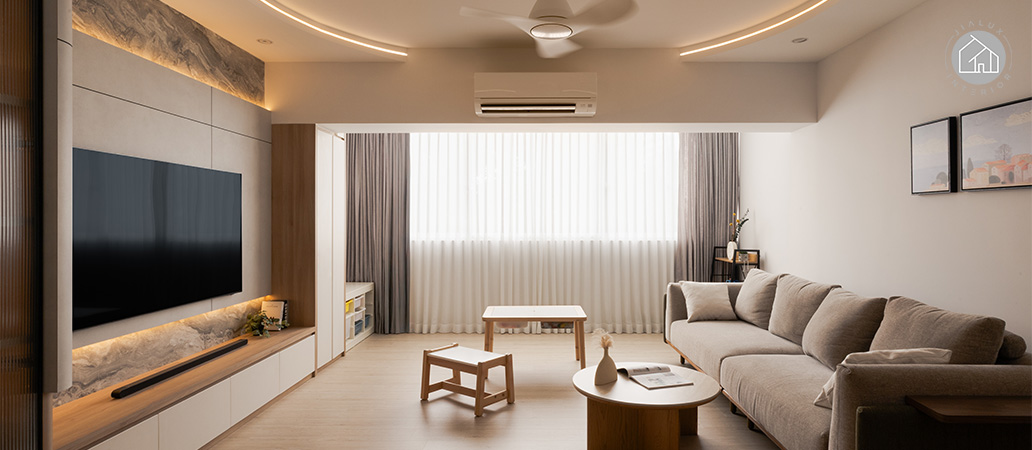
A well-planned 4-room BTO renovation endures because it is shaped by clarity, restraint, and execution rather than surface appeal alone. When planning anticipates long-term use, carpentry and hardware are selected for durability, and design decisions remain measured, the home continues to perform quietly and consistently as daily life unfolds.
For homeowners planning their renovations with a long-term perspective, a structured design consultation with Jialux Interior Pte Ltd helps clarify priorities and surface potential risks early, while translating lifestyle needs into a coherent spatial plan. By resolving complexity before construction begins, this approach allows renovation decisions to be made with greater confidence, foresight, and lasting relevance.