

Key Takeaways
- Early renovation decisions affect daily comfort long after the home is completed, making upfront clarity on layout, storage, and circulation essential.
- Physical constraints in new flats shape what can realistically be redesigned, which makes understanding fixed elements important before exploring design possibilities.
- Renovation budgets are influenced more by design complexity and detailing than by unit size, requiring homeowners to prioritise long-term value over surface finishes.
- A well-managed renovation relies on professional coordination and clear planning, helping homeowners navigate technical considerations with confidence rather than uncertainty.
Introduction
For many first-time homeowners in Singapore, BTO renovation represents the first experience of translating a standardised flat into a living environment that reflects personal routines, priorities, and long-term intentions. Beyond surface finishes and visual preferences, renovation introduces layered decisions involving space efficiency, budget control, regulatory processes, and coordination timelines that are often unfamiliar at the outset.
What makes this stage complex is not a lack of choice, but the need to understand how early decisions quietly shape daily comfort and long-term usability. Entering the process with this awareness allows homeowners to make deliberate choices rather than responding reactively once work is underway.
Early Decisions Shape the Long-Term Living Experience

In Singapore, the most consequential BTO renovation choices are often made before materials or finishes are even discussed. Decisions around layout structure and spatial hierarchy determine how comfortably the home supports daily routines over time, particularly in compact BTO configurations. Many first-time owners only recognise later that early planning decisions can either enhance or constrain how the home is experienced day to day.
Key Planning Trade-Offs First-Time Owners Often Miss
- Storage capacity versus bedroom proportions, especially in compact master bedrooms
- Open-plan living areas versus long-term acoustic comfort and privacy
- Extensive built-in carpentry versus future layout flexibility
- Circulation flow between the kitchen, dining, and living zones during daily use
Clear thinking during the early design planning stage allows homeowners to identify which compromises align with their lifestyle and which may undermine comfort over time. These decisions influence not only how the home looks upon completion, but how intuitively it supports daily living once occupied.
Standard BTO Layouts Come With Practical Constraints
Although new flats in Singapore provide a clean starting point, BTO renovation is shaped by physical and regulatory limitations that cannot be designed away. Structural walls, fixed service areas, and standard room proportions define how far layouts can realistically be adjusted. These constraints often become fully apparent only during design discussions, making early understanding essential.
Common Fixed Elements in BTO Flats
- Load-bearing and structural walls that restrict reconfiguration
- Fixed kitchen and bathroom service zones
- Standardised window, column, and beam placements
- Ceiling height limitations affecting lighting and storage design
Understanding these HDB BTO renovation considerations early helps homeowners set grounded expectations. In Singapore, thoughtful responses to these constraints often result in more composed BTO interior design outcomes, where proportion, balance, and flow take precedence over forced alterations.
Renovation Costs Reflect Scope and Detail, Not Just Unit Size
A common misconception in BTO renovation in Singapore is that renovation costs scale primarily with floor area. In practice, quotations vary based on design complexity, construction sequencing, and detailing rather than size alone. Subtle decisions around joinery execution, storage integration, and material specification often influence costs more than visible finishes.
What Typically Drives Renovation Cost Differences
- Extent and complexity of custom carpentry
- Material quality and finishing refinement
- Concealed storage and integrated detailing
- Level of coordination required across multiple trades
For first-time BTO homeowners, understanding these cost drivers enables more intentional budget allocation throughout the renovation process. Rather than responding to headline figures, homeowners can assess where investment supports durability, daily comfort, and a sense of quiet refinement that holds up over time.
Progress Is Often Uneven During the Renovation Phase
During BTO renovation in Singapore, work rarely progresses in a steady or visibly linear manner. Periods of active site work are often followed by quieter phases involving approvals, off-site fabrication, or coordination between trades. For homeowners unfamiliar with this process, these quieter intervals can feel uncertain despite work proceeding as planned.
Typical Phases Homeowners May Experience
- Initial demolition and structural preparation
- Fabrication and approval stages with limited site activity
- Installation of carpentry, electrical works, and finishes
- Final alignment, inspections, and refinements
Recognising this rhythm helps homeowners maintain perspective throughout the renovation journey, particularly when undertaking a comprehensive BTO home renovation that requires careful sequencing and coordination across multiple workstreams.
Professional Guidance Helps Translate Complexity Into Clarity
A smooth renovation experience depends on more than visual proposals. Within the context of interior design in Singapore, professional guidance plays an especially important role in translating technical constraints, regulatory requirements, and construction realities into clear, informed decisions.
With this support, homeowners can understand the implications of each choice before committing, rather than resolving issues after work begins. Experienced designers also help align spatial planning, material selection, and detailing with long-term living needs, creating a calm, cohesive environment that reflects maturity rather than short-lived trends.
Conclusion
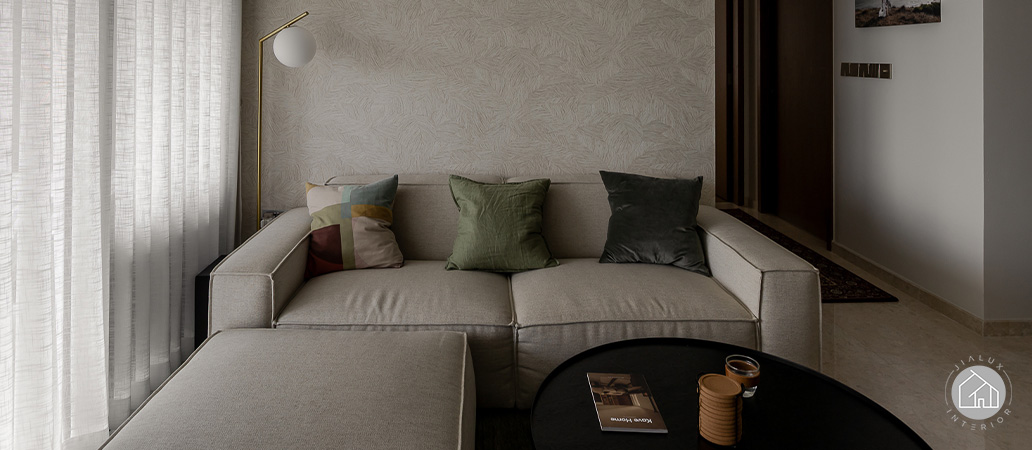
For first-time BTO owners, renovation is less about immediate visual impact and more about shaping a home that supports evolving lifestyles with confidence and ease. Understanding spatial constraints, cost structures, and the natural rhythm of renovation work enables homeowners to approach decisions with intention rather than uncertainty.
If you are preparing to renovate your BTO and would benefit from clarity before plans are finalised, consider booking a design consultation with Jialux Interior Pte Ltd. An early, structured discussion focused on layout priorities, material considerations, and long-term usability helps translate complexity into a refined, quietly luxurious home that remains comfortable and relevant well beyond move-in.