
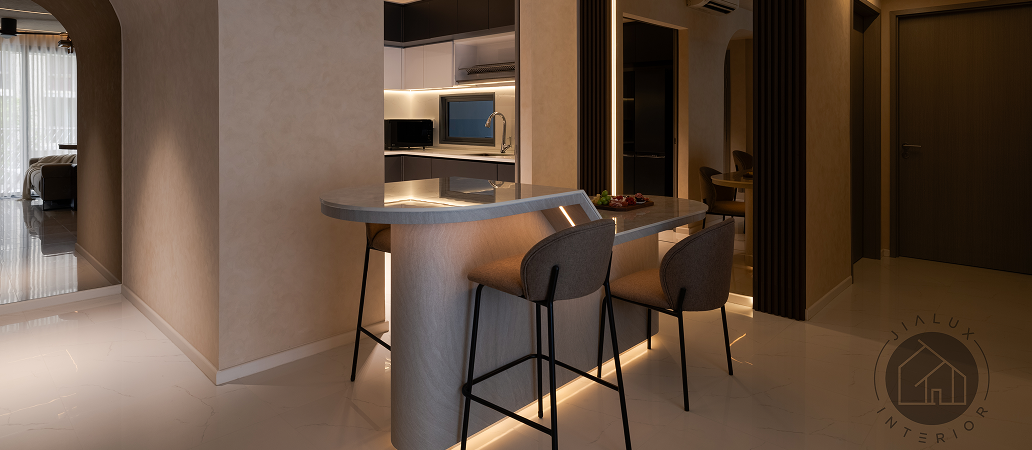
Key Takeaways
- A well-designed home feels refined because it supports daily movement and routines with clarity and ease.
- Restrained and intentional design choices help interiors remain relevant and comfortable long after completion.
- Careful workmanship contributes to a sense of quality that becomes more evident through everyday use over time.
- Designing with long-term living in mind provides greater confidence, comfort, and peace of mind for homeowners.
Introduction
Luxurious interior design is often misunderstood as the result of costly finishes or visually striking elements. In practice, luxury in a home is defined by how well it supports everyday living over time. This sense of luxury is shaped through deliberate planning decisions, restrained material choices, and a clear understanding of how a space will be used daily. For Singapore homeowners navigating compact layouts, renovation complexity, and long-term living needs, luxury is less about display and more about confidence in how the home performs in everyday life.
Spatial Clarity That Supports Everyday Movement
Luxury begins with how a home functions when it is lived in, not when it’s being photographed. Clear spatial organisation allows daily routines to unfold smoothly, reducing friction and mental clutter. This level of clarity becomes especially valuable in renovation contexts where layout constraints, existing structures, and regulatory considerations must be addressed rather than worked around. This is often achieved through the meticulous planning of a luxury interior design firm, whose expertise lies in thoughtfully translating spatial limitations into practical, comfortable living environments.
Clear Circulation Paths in Compact Homes
When movement through a home feels intuitive, the space immediately feels calmer and more resolved. Well-planned circulation paths ensure that residents can move between rooms without obstruction, even in smaller BTOs or older resale flats. Instead of forcing design gestures into tight layouts, careful planning prioritises ease of use and proportional balance, allowing the home to feel generous despite physical constraints. This sense of control reinforces the foundation of luxurious interior design, where comfort and clarity are felt daily rather than noticed visually.
Zoning Without Visual Clutter
Defined zones for cooking, resting, working, and socialising help a home function efficiently, but luxury lies in how subtly these zones are expressed. Rather than relying on partitions or strong visual markers that fragment the space, refined planning uses proportion, alignment, and furniture placement to guide behaviour naturally. This approach reduces visual noise and cognitive load, which is particularly important for homeowners seeking calm and continuity in their living environment.
Restraint in Material Selection Creates Lasting Luxury
Luxury is not achieved by maximising the number of premium finishes used. It emerges from selecting materials with intention and discipline, allowing each element to contribute meaningfully to the whole. When material choices are driven by longevity, maintenance considerations, and tactile experience rather than novelty, the home gains a quieter sense of confidence.
Thoughtful material selection considers how surfaces age, respond to light, and feel over time. Restrained palettes and consistent material logic create visual continuity, helping homes avoid feeling dated or overstated. This approach supports timeless luxury interiors by prioritising long-term relevance over short-term appeal, ensuring the space continues to feel appropriate as lifestyles and preferences evolve.
Craftsmanship That Holds Up Beyond the Handover Stage
Luxury becomes more apparent over time. While visual features may impress initially, it is workmanship that determines whether a home continues to feel refined years later. This is where the difference between surface-level renovation and considered execution becomes most evident.
Where Quality Reveals Itself Over Time
Precise detailing, clean junctions, and well-executed carpentry quietly support daily life without drawing attention to themselves. Doors align properly, drawers operate smoothly, and built-in elements retain their integrity through regular use. These qualities often distinguish thoughtful renovation work from outcomes associated with high-end interior design that prioritises appearance over durability. Over time, consistent craftsmanship reduces the likelihood of repairs, adjustments, or premature wear, reinforcing trust in the home long after trends have faded.
Comfort Designed Into the Structure of the Home
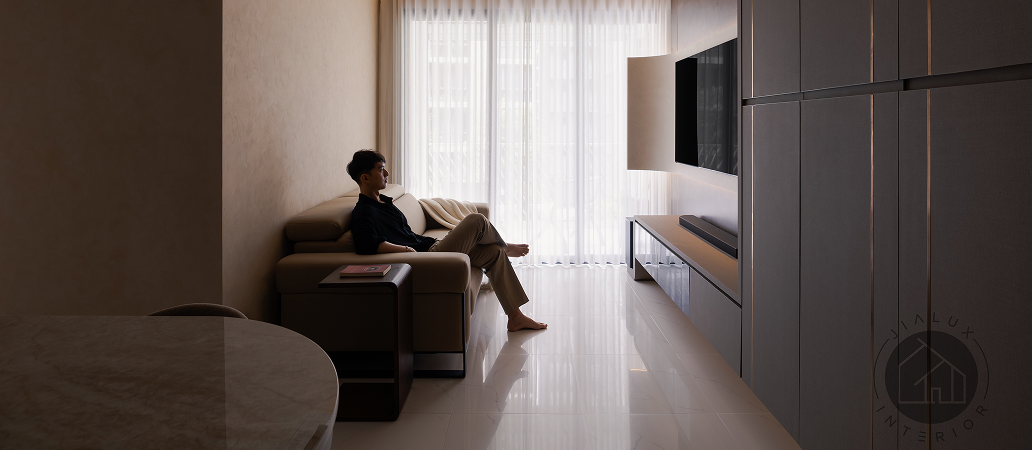
A luxurious home supports comfort in ways that feel effortless rather than indulgent. Comfort here is not decorative, but embedded into how the space is planned and experienced, an approach that becomes especially important in condo renovation in Singapore, where density and shared boundaries heighten the need for well-considered comfort solutions. Instead of relying on add-ons or afterthoughts, comfort is thoughtfully integrated into the home’s design from the very beginning.
Lighting, Acoustics, and Tactile Ease
Layered lighting allows residents to adjust the atmosphere throughout the day, supporting both productivity and rest. Acoustic consideration reduces echo and ambient noise, which is especially important in dense urban living environments. Tactile finishes add a subtle sense of warmth and familiarity, creating a home that feels both welcoming and settled. Together, these elements reflect the principles of quiet luxury design, where comfort is present without visual excess or constant adjustment.
Furniture Scale and Spatial Balance
Furniture that is appropriately scaled to the space reinforces comfort by allowing rooms to function without feeling constrained. Oversized pieces can overwhelm compact layouts, while undersized elements disrupt proportion and usability. Careful balance ensures that the home feels grounded and functional, reinforcing luxurious interior design through ease of living rather than visual drama or overstatement.
A Long-Term Design Philosophy Rooted in Confidence and Trust
True luxury is ultimately about assurance. It reflects confidence in decisions that prioritise longevity, usability, and relevance over short-term appeal. For homeowners, this means fewer compromises, fewer unexpected adjustments, and greater peace of mind throughout the renovation journey and beyond.
Luxurious interior design takes a long-term view, considering how the home will support evolving routines, maintenance needs, and lifestyle changes. By focusing on durability and adaptability, this approach delivers long-term interior value while reducing the risk of renovation regret. The result is a home that continues to feel appropriate and dependable, rather than one that requires constant revision or correction.
Conclusion
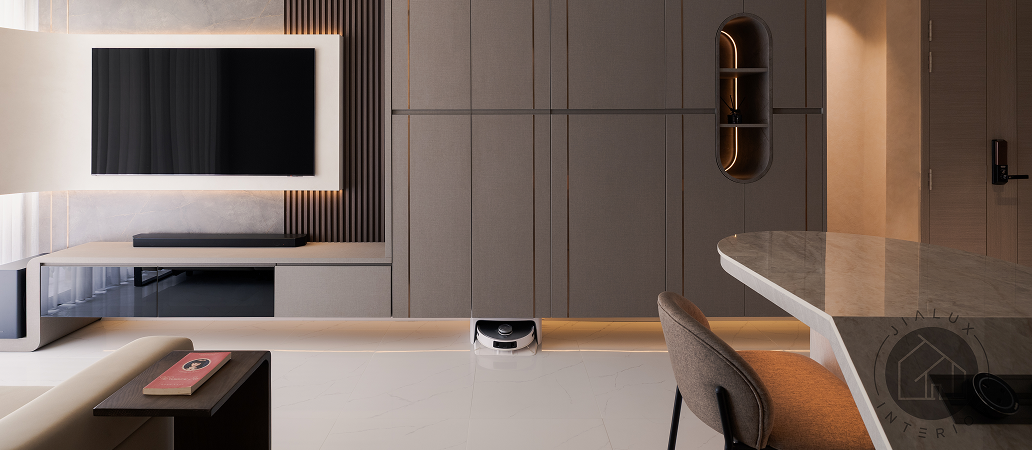
Luxurious interior design is defined less by price and more by how a home performs as a lived environment. When spatial clarity, restrained material use, enduring craftsmanship, and embedded comfort come together, the result is a space that feels composed and reliable over time. Homeowners who value clarity, longevity, and thoughtful execution may consider speaking with Jialux Interior Pte Ltd to understand better how complex renovation decisions can be carefully translated into a refined, enduring home that continues to support daily life with confidence.