
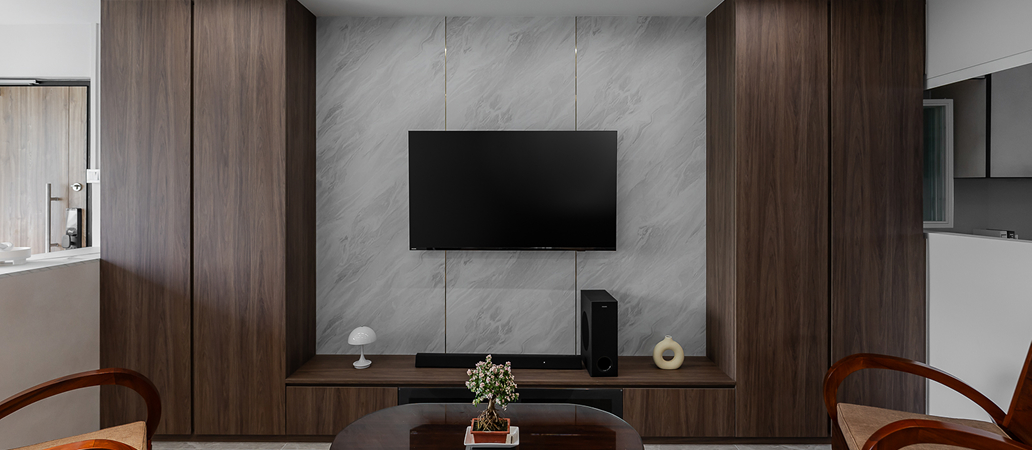
Key Takeaways
- The surfaces and finishes chosen during renovation affect not only how a home looks, but also how it feels, functions, and holds up through daily use.
- In Singapore homes, climate, humidity, cleaning habits, and compact layouts should be considered carefully before confirming renovation finishes.
- A refined home does not need excessive visual features; calm palettes, consistent textures, and quality workmanship can create a more lasting sense of comfort.
- Good renovation planning helps homeowners understand how each finish supports their lifestyle, maintenance expectations, and long-term living needs.
Why Material Choices Matter Beyond First Impressions
In a home renovation, interior material selection affects far more than the final appearance of a space. It shapes how surfaces feel, how easily the home can be maintained, and how confidently the design holds up through years of use. For Singapore homeowners, especially BTO owners, upgrading families, and resale flat owners managing older layouts, residential material selection is both a practical and aesthetic decision. The right choices help create a home that feels calm, durable, and quietly refined without relying on short-lived trends.
Material Decisions Shape Daily Experience Beyond Visual Appeal
A material is not only seen. It is touched, cleaned, walked on, opened, closed, and lived with every day. This is why interior material selection should be approached by considering how each surface performs during routine habits, from cooking and hosting to laundry, storage, and movement through compact spaces. A countertop that stains easily, cabinet laminate that chips quickly, or flooring that feels slippery can turn small details into repeated frustrations. In contrast, well-considered materials make daily living feel smoother because they reduce friction rather than draw attention to themselves.
Longevity and Performance Reflect a More Considered Approach to Luxury
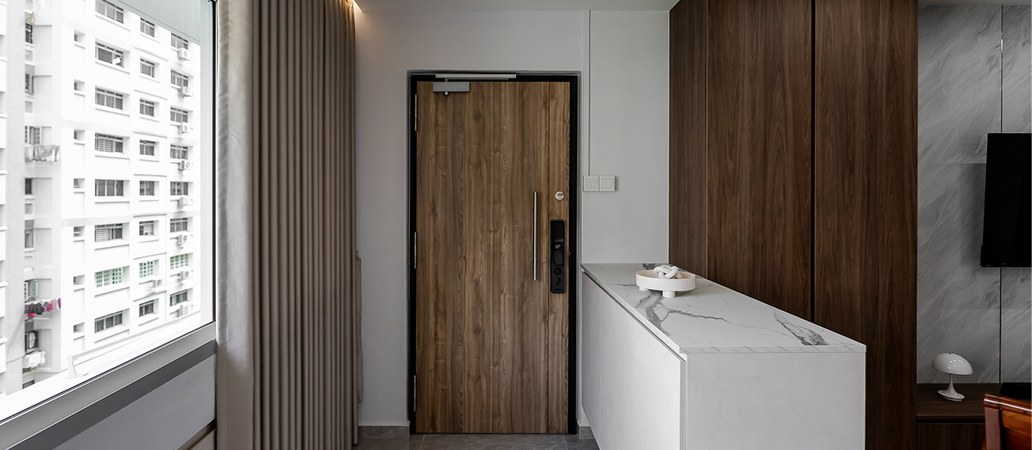
True luxury in the home is not always loud or decorative. It often appears through materials that continue to look composed after regular use. Interior material selection should therefore be guided by consistency, ageing behaviour, and suitability instead of focusing only on what looks impressive in a showroom. Durable interior finishes such as quality laminates, engineered surfaces, reliable hardware, and well-finished carpentry can support a more stable living environment.
Even smaller components, such as hinges, drawer systems, cabinet tracks, and wardrobe fittings, can affect how a home performs after years of repeated use. When these details are selected carefully, the home feels more reliable in daily routines while still maintaining a polished appearance. This is where high–end interior design becomes less about excess and more about restraint, precision, and confidence that the home will not feel dated or worn too quickly.
Material Suitability Must Respond to Climate and Lifestyle Realities
Singapore’s humidity, heat, and high-density living conditions make material suitability especially important. When interior material selection is made without these realities in mind, it may lead to swelling, peeling, mould concerns, or premature wear, particularly in kitchens, bathrooms, service yards, and older resale homes. For resale units that are 20 years old or more, this consideration becomes even more important because existing site conditions may affect how new finishes, carpentry, and fittings perform after installation.
Homeowners should consider how often a surface will be exposed to moisture, cleaning products, sunlight, or heavy use. For example, kitchen surfaces need to withstand regular wiping and heat exposure, while bathroom finishes should remain stable in damp conditions. This practical awareness also matters in residential interior design for Singapore homes, because compact layouts often require materials to work harder. A cabinet front, wall finish, or flooring choice may need to balance appearance, storage function, climate tolerance, and ease of upkeep all at once.
Cohesive Material Palettes Create Visual Restraint and Spatial Clarity
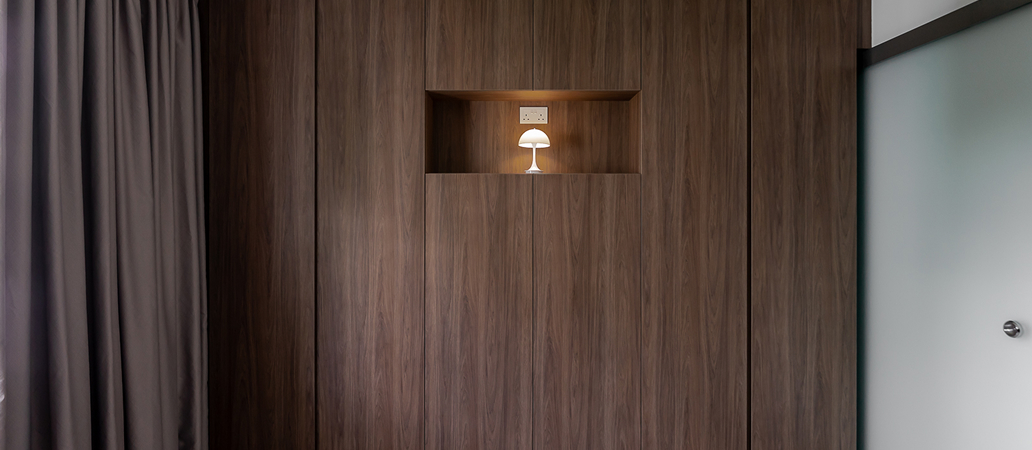
Interior materials for daily living should work together with restraint, so that the home feels connected from one area to another. For smaller BTO flats or older resale units, this cohesion can make the space feel more settled and visually spacious. Softer palettes, consistent wood tones, balanced textures, and restrained stone or metal accents help reduce visual noise. Instead of creating isolated feature areas, a cohesive palette allows the living room, kitchen, bedrooms, and storage zones to feel part of the same design language. This sense of restraint is especially important for homeowners who want a refined home that feels elegant without becoming visually overwhelming.
Material Selection as an Expression of Design Responsibility
Good design also requires a clear understanding of how people live over time. Interior material selection should be guided by the homeowner’s routines, cleaning habits, storage needs, family plans, and tolerance for maintenance. A beautiful finish may not be suitable if it requires constant care or cannot withstand everyday use. This is why material decisions should be translated clearly for homeowners, not left as technical choices they are expected to understand on their own. In a well-planned renovation, complexity is simplified into practical recommendations, helping clients understand why one finish, surface, or hardware option may serve their lifestyle better than another.
Bringing Material Decisions Together for a Better Home
For Singapore homeowners, the right materials can support comfort, reduce the risk of premature wear, and create a home that feels refined without being fragile. Jialux Interior approaches this as a translator of complexity, helping homeowners understand how material, workmanship, layout, and lifestyle needs come together in one coherent decision. As a luxury interior design firm, Jialux Interior’s strength lies in creating homes where quiet luxury is not only seen in the final appearance, but felt in the way the space continues to function beautifully every day.
Speak with Jialux Interior to shape a home where every material choice supports daily comfort, long-term durability, and the way you want to live.