
Key Takeaways
- Renovation decisions should prioritise how a home supports daily living over time, rather than focusing solely on how it looks upon completion.
- Small planning details, such as movement flow, storage access, and spatial relationships, have a lasting impact on everyday comfort and convenience.
- Material and finish choices must account for long-term wear, maintenance, and environmental conditions to ensure the home remains consistent in quality and appearance.
- A well-executed renovation depends on consistent alignment between design intent and execution, ensuring the outcome remains functional, cohesive, and relevant for years.
Introduction
In Singapore, home renovation is rarely a frequent exercise. For most homeowners, it is a once-in-a-decade commitment that shapes how a space supports daily routines, comfort, and long-term living. While visual outcomes often take priority during the early stages, many home renovation mistakes only reveal themselves over time through maintenance issues, spatial discomfort, or a gradual mismatch between the home and its occupants’ lifestyle.
These are not always dramatic failures, but quiet inefficiencies that accumulate and gradually influence how a home performs and supports everyday living.
Treating Design as a Visual Outcome Rather Than a Long-Term Living Framework
One of the most common home renovation mistakes is treating design as a purely visual outcome rather than a long-term living framework. A space may look refined at handover, but without understanding how it supports daily routines, the experience can quickly feel restrictive. In Singapore, where space is often limited, design needs to respond to evolving lifestyles such as hybrid work, growing families, or changing storage needs. This is where long-term home renovation planning in Singapore becomes essential, shifting the focus from immediate visual appeal to sustained functionality, practicality, and spatial comfort.
Overlooking How Subtle Planning Decisions Shape Daily Flow
Another overlooked area is how subtle planning decisions shape daily flow. Circulation paths, door clearances, and the relationship between functional zones all influence how easily a home operates. When these elements are not carefully resolved, even simple routines can become inconvenient, often leading to repeated adjustments and inefficiencies in daily movement. This is a frequent issue, particularly in compact BTO layouts where every square metre matters. Engaging in thoughtful interior design planning for Singapore homes helps ensure that movement, accessibility, and spatial proportions are considered holistically rather than as afterthoughts.
Key Planning Factors That Influence Everyday Movement
These considerations may appear minor during the design stage, but they shape how naturally a home supports daily routines over time.
How circulation paths are arranged between frequently used areas, such as the kitchen, living room, and bedrooms, shapes how naturally movement flows throughout the day. When these pathways are not intuitively planned, even short distances can feel inefficient or disruptive. Similarly, door swing clearances and their interaction with furniture placement can create subtle but persistent friction, especially in tighter layouts where space is already limited.
Storage accessibility also plays a critical role in daily convenience. When frequently used items are not positioned within easy reach, homeowners often resort to workarounds that disrupt organisation and daily flow. In addition, transitions between wet and dry areas, particularly in kitchens and bathrooms, must be carefully detailed to prevent long-term practical issues in daily use. These decisions are interconnected, collectively shaping how comfortably and intuitively a home functions as a whole.
Underestimating the Long-Term Impact of Material and Finish Selection

Material and finish selection is another area where early decisions carry long-term consequences. What appears suitable at completion may respond differently under Singapore’s humidity, daily wear, and cleaning routines. Over time, issues such as warping, staining, or surface fatigue can alter both the appearance and practicality of a home. Many home renovation mistakes stem from prioritising short-term savings over renovation workmanship and material quality, which ultimately leads to higher maintenance costs or premature replacements. Durable materials, when selected appropriately, contribute not only to longevity but also to a more consistent and composed living environment.
How Materials Behave Over Time In Singapore Homes
Environmental conditions and daily usage patterns influence how finishes age, often in ways that are not immediately apparent at project completion.
In Singapore’s humid climate, materials such as wood, laminates, and joinery are constantly exposed to moisture levels that can affect their stability over time. Without careful selection and proper treatment, this can result in subtle warping or expansion that becomes more noticeable with prolonged use. At the same time, routine cleaning, though essential for maintaining hygiene in urban homes, can gradually wear down surface finishes, leading to fading or loss of texture.
If durability is not considered when selecting materials, high-contact areas, such as kitchen worktops, cabinet handles, and other frequently used surfaces, tend to deteriorate more quickly, resulting in visible wear that affects both function and visual consistency. In addition, prolonged exposure to natural light can slowly alter colour tones, creating inconsistencies that affect the overall visual harmony of a space. While gradual, these changes influence how consistently a home performs and maintains its intended aesthetic.
Mistaking Luxury for Statement Instead of Experience
A common misconception is equating luxury with bold visual statements rather than lived experience. True refinement is often expressed through restraint, material consistency, and subtle detailing that support calmness and continuity. When homeowners focus too heavily on standout features without considering cohesion, spaces can feel overwhelming or quickly dated. These home renovation mistakes become more apparent as everyday use becomes established, especially as trends fade.
What Defines A Lasting Luxury Home Environment
A considered approach to luxury focuses less on visual impact and more on how a space feels, functions, and endures through everyday use.
A well-executed luxury home renovation experience is defined by balance, where proportions feel intentional, and materials work together harmoniously throughout the space. Instead of drawing attention to individual elements, the design creates a sense of continuity, allowing each detail to support the overall atmosphere rather than compete for focus. This restraint ensures that the home remains visually composed and emotionally comfortable, even as lifestyle needs shift over time.
Underestimating the Role of Design Stewardship in Protecting Long-Term Value
Finally, many homeowners underestimate the importance of design stewardship in maintaining long-term value. Design stewardship refers to the ongoing process of ensuring that decisions made during the renovation are consistently carried through to the outcome. In practical terms, this includes verifying that materials match specifications, ensuring workmanship aligns with the intended detailing, and coordinating different trades so elements fit together correctly on site.
Misalignment between concept, material selection, and workmanship can lead to compromised outcomes that are difficult to correct, often resulting in costly rectifications or disruptive rework. This is particularly relevant in projects such as BTO home renovations, where spatial constraints require careful coordination across planning and execution. Similar considerations apply to bathroom renovation work in Singapore, where technical detailing and precision directly impact long-term performance. Without proper oversight, even well-designed plans can fall short in execution.
Conclusion
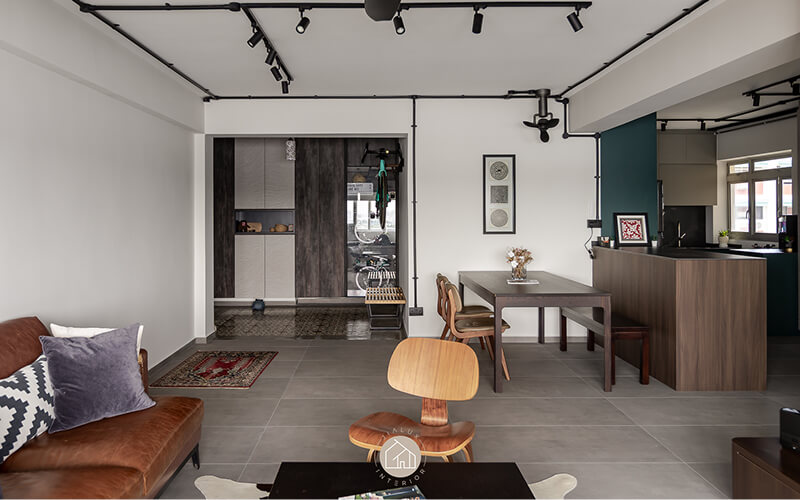
In Singapore’s context, where renovation budgets are significant and homes are expected to remain functional and relevant for years, avoiding these home renovation mistakes requires more than surface-level decisions. It involves understanding how design, materials, and execution work together to support long-term living. As reflected in Jialux Interior Pte Ltd’s approach, renovation is treated as a carefully managed process that ensures the design plan is consistently and accurately carried through to the final execution, ensuring each home remains functional, refined, and relevant well beyond completion.
If you are planning a renovation and want to avoid decisions whose impact only becomes clear later, speaking with Jialux Interior Pte Ltd can help bring clarity to each stage of the process. Their approach focuses on ensuring every detail is properly coordinated and executed from the outset, so the home continues to perform and feel considered long after completion.