

Key Takeaways
- Long-term comfort is shaped by how a home supports daily movement and routines, not just by how it looks at the point of completion.
- Material choices should be evaluated for how they age, feel, and perform over time, especially under frequent use and local environmental conditions.
- Storage works best when it is planned as part of the overall spatial structure, allowing visual calm and functionality to coexist naturally.
- A cohesive design approach ensures that layout, lighting, and finishes work together, preventing subtle discomfort from emerging as the home is lived in.
Introduction
A 4-room BTO flat is often a household’s first long-term commitment, where daily routines slowly reveal whether a space truly supports comfort and calm. In 4-room BTO interior design, long-term dissatisfaction rarely comes from obvious errors. It usually stems from subtle decisions that prioritise first impressions over lived experience. Layout flow, material performance, lighting balance, and storage integration all shape how a home feels after the novelty fades, especially within Singapore’s compact living context, where every decision carries weight. These choices quietly influence how a home supports rest, movement, and daily rituals over many years, not just how it photographs at completion.
Prioritising Visual Statements Over Spatial Flow in Compact Layouts
In many BTO renovation projects, strong concepts inspired by Modern Contemporary or Modern Luxury styles take centre stage before circulation is fully resolved. What initially reads as visually refined can gradually feel restrictive when daily movement is compromised, especially in homes where shared spaces are used intensively. Over time, these constraints are felt most during routine moments rather than special occasions, which is why spatial comfort often becomes a delayed concern.
Where Spatial Flow Commonly Breaks Down In Compact Homes
These issues tend to surface only after residents settle into their routines, when movement patterns become habitual rather than occasional.
- Circulation paths between the living, dining, and kitchen zones feel compressed during peak hours
- Oversized feature elements interrupt sightlines and natural walking flow
- Rigid layouts do not adapt well to evolving household needs
Without careful planning of your 4-room BTO layout, these friction points can gradually erode your comfort and make your home feel less intuitive over time. What feels visually composed at first can gradually become effortful when the layout does not anticipate how spaces are repeatedly used.
Choosing Finishes That Look Refined but Feel Unsuitable for Daily Living
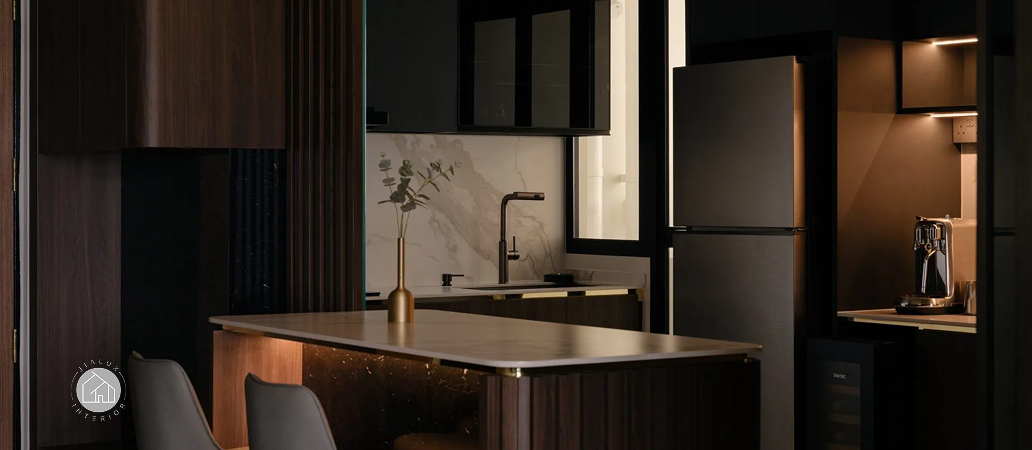
Minimal palettes tied to Modern Minimalist or Modern Minimalist + Wabi Sabi aesthetics prioritise material quality over visual excess. In 4-room BTO interior design, finishes that prioritise appearance without considering performance can slowly undermine comfort as everyday wear accumulates. For Singapore homes, material suitability is not only aesthetic but also closely tied to climate, maintenance, and physical interaction.
How Material Choices Affect Comfort Over Time
Material behaviour becomes most apparent through repeated daily interaction rather than at first glance.
- Surfaces that mark easily or feel cold and uninviting with regular use
- Finishes that demand frequent upkeep under Singapore’s humid conditions
- Textures that appear refined visually but lack tactile comfort
When material selection does not align with real living patterns, the long-term home comfort that Singapore homeowners seek becomes harder to sustain, even in otherwise well-designed spaces. True luxury in this context is felt through consistency, where materials remain reassuring and composed rather than becoming sources of quiet frustration.
Treating Storage as an Afterthought Rather Than a Spatial Framework
Storage plays a defining role in how calm or cluttered a home feels years after move-in. In 4-room BTO interior design, reactive storage solutions often disrupt spatial balance and visual clarity, particularly in compact layouts where every volume matters. When storage is introduced without an overarching spatial logic, it can visually fragment the home over time.
Long-Term Consequences Of Reactive Storage Planning
These outcomes emerge gradually as household items accumulate and spatial compromises compound.
- Visual clutter that disrupts a sense of calm and order
- Reduced usable space due to bulky, add-on carpentry
- Inconsistent design language across different rooms
Design philosophies influenced by Japandi and Wabi-Sabi illustrate how restraint and intentionally integrated storage can enhance both functionality and visual calm. This approach allows storage to be treated as part of the architecture rather than an afterthought, a hallmark often associated with modern luxury BTO interiors. Such clarity in planning reflects the level of foresight commonly seen in considered BTO interior design projects in Singapore. Over time, this integration supports a home that feels composed rather than crowded, even as lifestyles evolve.
Lighting That Enhances Mood but Undermines Practical Comfort
Lighting decisions inspired by Dark Modern Luxury often focus on ambience and atmosphere. In 4-room BTO interior design, however, mood-driven lighting without functional balance can slowly affect usability, especially as lighting needs shift throughout the day. What feels atmospheric in the evening can feel limiting once the home must support multiple activities across different times.
When Lighting Prioritises Aesthetics Over Usability
The impact of lighting choices becomes more noticeable during evening routines and task-oriented activities.
- Insufficient task lighting for daily functions
- Poor depth perception that strains the eyes over time
- Overly dark zones that make compact spaces feel heavier
A layered lighting strategy, commonly applied in residential interior design, ensures that atmosphere and practicality support each other rather than compete. When light is carefully balanced, it reinforces spatial clarity and comfort rather than becoming a visual statement that overwhelms the space.
When a Cohesive Design Philosophy Fails to Anchor Long-Term Comfort
Lasting comfort is rarely the result of isolated decisions. In 4-room BTO interior design, it emerges when layout, materials, lighting, and storage operate as a cohesive system rather than individual features. Without this alignment, even well-executed elements can feel disconnected once the home is fully lived in.
Why Cohesion Matters More Than Individual Design Choices
A unified approach prevents visual elegance from undermining everyday usability.
- Spatial planning reinforces movement and clarity
- Material choices align with lifestyle demands
- Lighting supports both mood and function
- Storage remains visually discreet yet practical
This holistic thinking is often what differentiates a refined outcome from a visually pleasing but short-lived one, particularly when guided by an experienced Singapore interior design company. Cohesion allows comfort and luxury to coexist quietly, without one compromising the other.
Conclusion
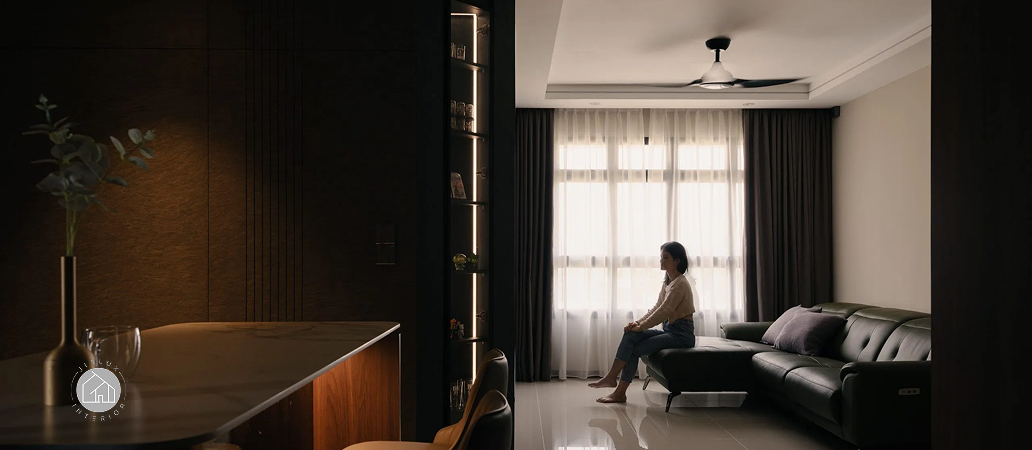
Avoiding these common mistakes requires more than following trends or visual references. It calls for an ability to interpret how design decisions unfold over time within Singapore’s compact homes. By approaching interiors as layered systems rather than decorative statements, Jialux Interior Pte Ltd positions itself as a translator of complexity, shaping homes where quiet luxury, functional intelligence, and enduring comfort remain aligned well beyond the initial renovation phase.
For homeowners planning a 4-room BTO with longevity in mind, an early design conversation can prevent years of subtle discomfort. A thoughtful consultation allows spatial flow, materials, lighting, and storage to be considered together, ensuring the home continues to feel calm, refined, and supportive as daily life settles in.