
Key Takeaways
- A compact home feels comfortable when movement between spaces is planned as a continuous flow rather than a series of narrow transitions.
- Storage works best when it is integrated into the layout structure, supporting daily movement instead of interrupting it.
- Clear spatial relationships help residents orient themselves easily, reducing the sense of crowding without relying on visual tricks.
- Layout decisions grounded in everyday routines create homes that remain practical, adaptable, and comfortable over time.
Introduction
In many 3-room HDB flats, the feeling of being cramped is rarely due to floor area alone. It is more often the result of how spaces connect, how movement unfolds across the home, and how storage is introduced into daily pathways. Standard configurations tend to emphasise room separation, which can fragment flow and create unnecessary visual stops.
Within a 3-room HDB interior design, layout logic becomes the quiet foundation that determines whether a compact home feels constrained or composed. When circulation and storage are resolved as part of a single spatial strategy, comfort is shaped through structure rather than surface treatment.
Circulation Determines How Easily a Home Functions Day to Day
In a typical 3-room flat, circulation between the living area, kitchen, and bedrooms is often tightly defined. These narrow paths may technically connect rooms, but they rarely accommodate the natural rhythm of everyday movement. Thoughtful planning of a 3-room HDB layout shifts attention away from room count and towards how residents move during real moments of use, such as mornings before work or evenings when shared spaces overlap.
When circulation is planned as a continuous system rather than a series of corridors, the 3-room HDB interior design begins to feel intuitive instead of restrictive. This approach prioritises legibility and ease, qualities that allow a compact home to function with quiet confidence rather than constant adjustment. This emphasis on ease is a core consideration in HDB interior design in Singapore, where comfort is measured by how naturally a home supports routine.
Why Circulation Often Feels Restrictive
- Narrow transition paths interrupt movement between shared spaces
- Sharp turns and visual breaks reduce spatial continuity
- Over-segmentation prioritises separation over daily function
What Improved Circulation Changes
- Movement feels predictable during peak routines
- Shared spaces work together rather than in isolation
- Compact layouts feel ordered instead of compressed
Storage Planning Should Support Movement, Not Compete With It
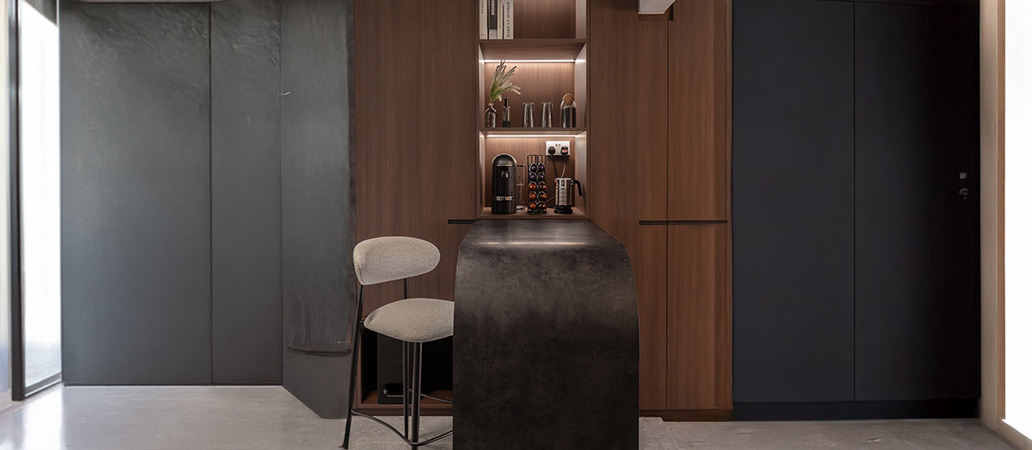
In many compact homes, storage is introduced after the main layout has already been fixed. This often results in bulky carpentry encroaching on walkways or breaking up sightlines. Within a 3-room HDB interior design, storage performs best when it is embedded into the layout framework itself. Effective functional HDB space planning positions storage along structural edges and transitional zones, allowing circulation to remain uninterrupted while still meeting practical needs.
This integration reflects a disciplined approach to planning, where function is resolved quietly and without visual excess. This approach keeps the home visually calm and functionally efficient, without the sense of overbuilding that often characterises poorly planned renovations.
When Storage Is Integrated Into Layout Decisions
- Walkways remain clear and visually composed
- Storage aligns with natural spatial boundaries
- Daily movement is supported rather than obstructed
Clear Spatial Relationships Improve Orientation and Comfort
Compact homes benefit more from clarity than from excessive visual segmentation. When zones are arranged with logical adjacency and unobstructed connections, residents can move through the home with greater ease and confidence. In this context, a well-considered small HDB interior layout reduces the feeling of compression by maintaining visual continuity across shared spaces. Rather than relying on stylistic devices, comfort is achieved through proportion, alignment, and restraint.
These decisions shape how the home is experienced over time, allowing it to feel settled rather than visually busy. Clear spatial relationships help the interior feel grounded and quietly refined, even as daily routines evolve.
Layout Planning Sets Limits for Furniture Placement Without Dictating Style
A resolved layout establishes natural clearances that guide how furniture occupies a room. When circulation widths and spatial proportions are considered early, furniture can be placed comfortably without disrupting movement. Within a 3-room HDB interior design, this creates flexibility for homeowners to express preferences that range from modern contemporary restraint to softened rustic industrial influences.
The layout provides structure without enforcing minimalism, supporting a sense of lived-in luxury rather than a staged interior. This balance allows material quality and spatial proportion to carry the aesthetic, rather than reliance on decorative excess. This balance is central to thoughtful interior design in Singapore, where longevity matters more than visual novelty.
How Layout Supports Comfort Without Prescribing Aesthetics
- Circulation widths define natural furniture boundaries
- Proportions prevent overfilling without forcing sparsity
- Different design languages remain viable within the same plan
Effective 3-Room Layouts Are Grounded in Everyday Living Patterns
Successful layouts are shaped by how residents truly live, not by how a space looks on completion day. Daily routines, shared moments, and long-term adaptability inform decisions that remain relevant over time. In a 3-room HDB interior design, this lived-in perspective ensures circulation and storage evolve together rather than competing for space.
By anticipating how needs change rather than responding after the fact, layout planning becomes a long-term investment rather than a short-term solution. When planning reflects real behaviour, compact homes gain resilience and quiet confidence, qualities valued in enduring residential interior design in Singapore.
Conclusion
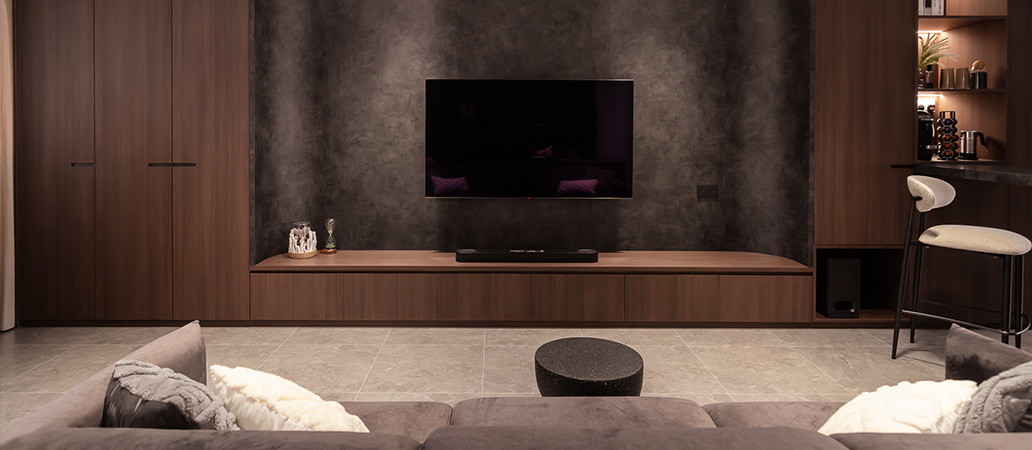
In a 3-room HDB flat, daily comfort is shaped less by size and more by spatial logic. Flow determines how easily residents move through the home, while storage defines whether that movement feels calm or constrained. When layout planning is treated as a disciplined process of translating complexity into clarity, compact homes can feel composed, functional, and quietly luxurious.
If you are planning a 3-room HDB renovation and want your layout to support daily routines, long-term comfort, and refined living, consider engaging Jialux Interior Pte Ltd for a consultation. Their approach focuses on interpreting spatial constraints with precision, resolving circulation and storage early so the finished home reflects clarity, restraint, and enduring quality rather than surface-driven design.