
Key Takeaways
- Renovation progress often happens behind the scenes, and long periods without visible change are a normal part of technical and preparatory work.
- Early planning provides structure, but many decisions continue to evolve as site conditions, coordination needs, and practical constraints become clearer.
- Timeline adjustments are usually caused by dependencies between trades, inspections, and material availability rather than poor project control.
- The true quality of a renovation becomes most apparent near completion, where coordination, detailing, and issue resolution shape the final experience.
Introduction
A 3-room BTO flat marks a significant milestone for many homeowners in Singapore. It is often the first home shaped entirely around personal routines, privacy, and long-term plans. Yet the renovation journey can feel fragmented, especially for those navigating it for the first time. Due to space constraints, regulatory requirements, and the need to coordinate across multiple trades, progress does not always follow a straightforward path.
In a tightly regulated HDB environment, even well-planned renovations must adapt to site conditions, approval processes, and sequencing realities. For homeowners planning a BTO renovation for a 3-room flat, understanding how the process typically unfolds from start to completion helps align expectations with reality and approach the journey with greater clarity.
Early Planning Sets the Direction but Rarely Finalises Everything
The initial phase of a renovation centres on planning, approvals, and establishing design intent. Scope, budget, and broad timelines are outlined early, but this stage is rarely definitive. As site conditions become clearer and coordination requirements emerge, refinements are common, particularly in compact layouts where every centimetre must be justified.
During the home renovation process, progress is largely invisible and decision-driven, which can feel slow even though critical groundwork is being laid. For homeowners unfamiliar with interior design in Singapore, this stage often feels abstract, as much of the progress happens through coordination, planning logic, and decision-making rather than visible construction activity.
This is also where long-term considerations such as circulation comfort, storage longevity, and material durability are quietly addressed.
What Typically Gets Refined During Early Planning
- Spatial flow adjustments once detailed site measurements are confirmed
- Storage and carpentry depth optimisation for compact living areas
- Material selections refined based on durability and lead times
- Electrical and lighting layouts aligned with daily routines
These refinements shape how the home will function over time, ensuring the outcome feels composed, practical, and quietly luxurious rather than forced.
Construction Progress Is Not Always Visually Linear
Once site works begin, homeowners often expect a steady visual transformation. In reality, a 3-room BTO renovation progresses through several technical phases before finishes become visible. Early construction work frequently takes place behind walls, above ceilings, or beneath surfaces, supporting long-term performance and safety.
This stage highlights how residential interior design in Singapore extends beyond surface aesthetics, relying on technical sequencing and coordination to ensure build accuracy and longevity. Periods with limited visual updates are normal and reflect the nature of preparatory works rather than inactivity. Much of the value during this stage lies in precision, tolerance control, and disciplined execution rather than visible change.
Works That Usually Happen Before Visible Finishes

- Electrical rewiring and concealed plumbing coordination
- Waterproofing and surface preparation for wet areas
- Ceiling framing and air-conditioning integration
- Alignment checks between carpentry, stone, and built-in elements
Although these stages are rarely seen, they determine how well finishes sit, perform, and age within the home.
Timelines Commonly Shift Due to Dependencies Between Trades
Even with careful planning, renovation for a 3-room BTO rarely follows a perfectly linear schedule. Adjustments may arise due to material lead times, inspection windows, or sequencing dependencies between trades.
In Singapore, where renovation works must comply with regulatory and building management requirements, coordination becomes especially sensitive. A realistic BTO renovation timeline in Singapore allows for these dependencies while maintaining overall project control. Understanding these dependencies helps homeowners differentiate between poor planning and necessary recalibration.
Common Factors That Influence Renovation Timelines
- Lead times for customised carpentry or surface materials
- Scheduling of inspections and compliance checks
- Sequencing between the wet works and installation stages
- Limited space requiring phased access for different trades
Clear communication during these moments helps homeowners understand why timelines shift and how progress continues to be managed.
The Most Stressful Phase Often Happens Midway Through the Project
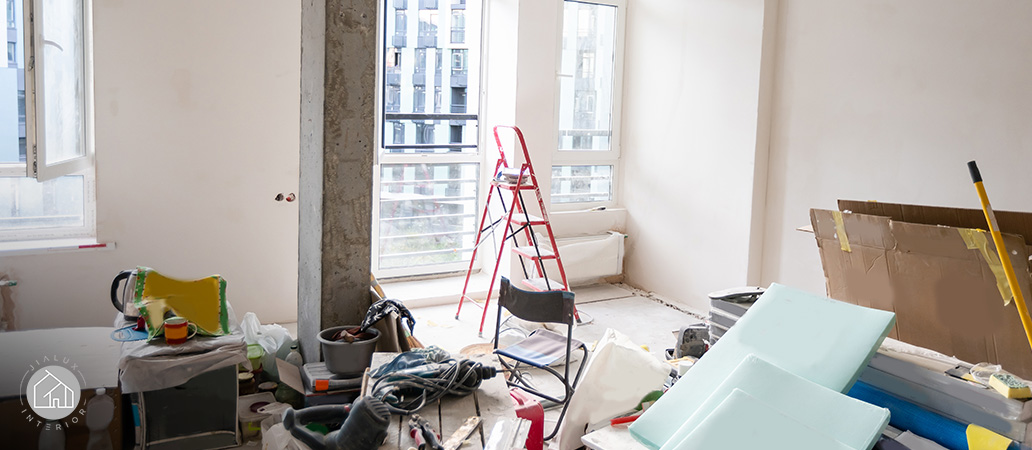
For many homeowners, uncertainty peaks midway through a 3-room BTO renovation. Major preparatory works are completed, but the space may still feel fragmented, dusty, or unresolved. Outcomes are not yet visible, and progress is measured through coordination rather than completed visuals.
Measured against common BTO renovation expectations, this phase is a normal part of the journey. This is often where trust in the process becomes more important than visual reassurance. Recognising it as such helps homeowners remain grounded while the project advances quietly behind the scenes.
Clear Coordination Becomes Most Evident Near Completion and Handover
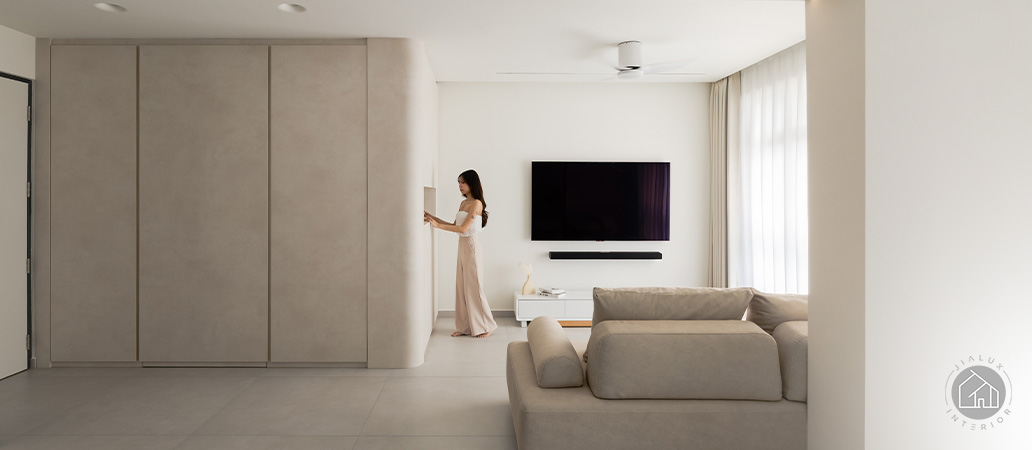
As the renovation nears completion, the impact of coordination becomes more tangible. Finishing works, rectifications, and final alignments bring the design intent into full view. At this stage, earlier planning decisions are revealed through how well the space comes together as a cohesive, liveable home.
As homeowners research BTO home renovation experiences, they often discover that this stage significantly shapes their lasting impression of a company’s professionalism and reliability. Details that felt theoretical during planning now translate into daily usability and visual calm.
Signs Of Strong Coordination Near Project Completion
- Clear walkthroughs highlighting rectifications and remaining timelines
- Consistency across finishes, alignments, and junction details
- Prompt resolution of minor defects before handover
- Transparent explanations of warranties and aftercare
These details often distinguish a carefully managed renovation from one that merely reaches completion.
Conclusion
A well-executed 3-room BTO renovation is defined by clarity rather than speed. It requires the ability to translate constraints into thoughtful planning, align multiple decisions across time, and deliver a home that feels calm, durable, and considered long after handover. The true measure of success lies in how seamlessly complexity is managed throughout the process.
For homeowners seeking a refined, long-term outcome rather than a rushed renovation experience, Jialux Interior Pte Ltd offers a structured consultation approach that brings clarity to scope, timelines, and design intent from the outset. This allows homeowners to move forward with confidence, knowing their renovation is guided by careful planning, disciplined coordination, and a commitment to quiet, enduring quality.