

Key Takeaways
- Luxury in compact condominiums is defined by visual calm, clarity, and restraint rather than the number of design elements used.
- Thoughtful material selection adds depth and richness while preserving openness and long-term durability.
- A cohesive design language allows small spaces to feel fluid, unified, and visually generous.
- Careful planning of furniture, storage, and spatial flow transforms limitations into comfortable, refined everyday living.
Introduction
In Singapore’s compact condominiums, luxury is rarely defined by scale. Instead, it is shaped by how space is experienced over time. Small luxury condo interior design focuses on creating interiors that feel calm, composed, and intentionally layered rather than visually full. Through careful control of proportions, materials, and spatial hierarchy, limited floor areas can be transformed into refined homes that feel generous, comfortable, and enduring. This approach is particularly relevant in local condominiums, where efficient layouts, shared building constraints, and long-term maintenance considerations often influence design decisions. This design mindset resonates with homeowners who value restraint, longevity, and a quieter expression of luxury over fast-moving trends.
Luxury in Compact Condos Is Experienced Through Visual Calm
In smaller homes, visual clarity becomes the foundation of refinement. When elements are carefully aligned and distractions are reduced, the space naturally feels more expansive and considered. Rather than relying on decorative statements, luxury emerges through how comfortably the eye moves across the interior from one zone to another without interruption.
What Creates Visual Calm in a Small Luxury Condo
Achieving visual calm in small luxury condo interior design is less about removing character and more about guiding the eye intentionally through the space. This means understanding how the human eye responds to contrast, alignment, and visual breaks within a confined area.
- Restrained colour palettes that minimise contrast and visual noise
- Clean, continuous lines across walls, cabinetry, and ceilings
- Limited material variation to prevent visual fragmentation
- Balanced proportions that ensure no single element overwhelms the room
When these principles are applied together, the interior reads as cohesive and composed, supporting a refined living environment while maintaining a sense of ease and sophistication. The result is a space that feels settled and comfortable, even during extended daily use.
Material Choices Shape the Depth and Sophistication of the Space
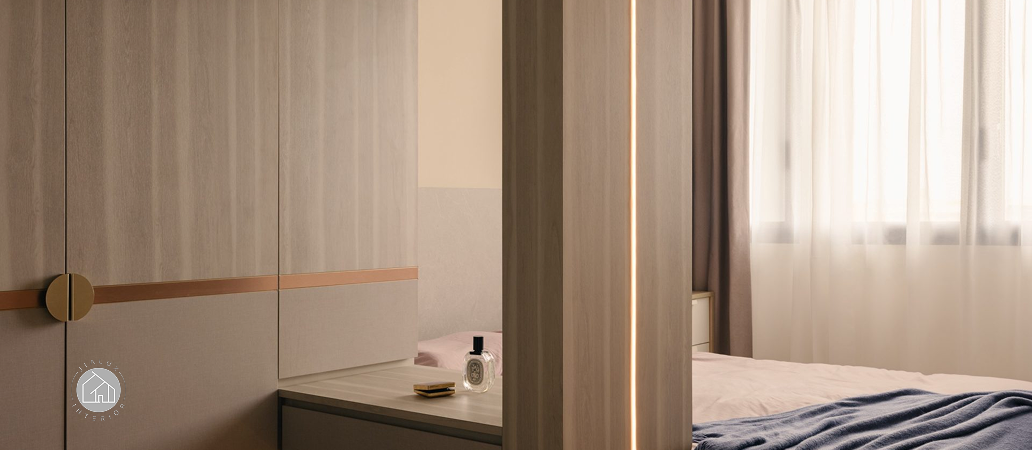
In compact interiors, materials carry both emotional and spatial weight. The right finishes can introduce richness and tactility without overwhelming the visual field. Material decisions in smaller condominiums also affect durability, maintenance, and how well the space ages over time.
How Materials Add Depth Without Overcrowding
Material restraint allows depth to emerge quietly, through texture and tone rather than decorative excess. Instead of layering many finishes, luxury is communicated through the quality and consistency of fewer, well-chosen surfaces.
- Subtle surface textures that enrich the space without adding heaviness
- Natural finishes that age gracefully and support long-term durability
- Controlled tonal variations that create layering without sharp contrast
- Seamless transitions between surfaces to maintain spatial continuity
This approach strengthens small luxury condo interior design by ensuring the home feels tactile and refined, aligning with the expectations of premium condo interiors rather than focusing on short-term visual impact. It also reduces the risk of premature wear or aesthetic fatigue, which is a common concern in compact homes.
A Cohesive Design Language Prevents Visual Fragmentation
Consistency plays a critical role in how compact spaces are perceived, particularly within luxury condo interior design, where visual continuity shapes how refined a home ultimately feels. When flooring, cabinetry, and architectural details follow a shared design language, the space feels fluid rather than segmented. This cohesion helps smaller layouts feel more expansive without physically altering the floor area.
Rather than blending unrelated styles, a measured balance of Contemporary and Modern Contemporary design supports clean lines, continuity, and visual order. Softer influences such as Wabi Sabi can be introduced through texture and warmth, while contemporary detailing maintains structure and clarity. Together, these elements support contemporary luxury design by creating interiors that feel intentional, calm, and visually unified. This balance allows character to emerge without disrupting overall harmony.
Furniture and Built-Ins Define Comfort Without Visual Heaviness
In compact homes, furniture decisions have a disproportionate impact on spatial comfort. Each piece must serve a clear function without dominating the room visually. Poorly scaled furniture can make a space feel cramped, regardless of how refined the finishes may be.
Furniture Principles for Compact Luxury Living
Thoughtful furniture planning allows comfort to be expressed through openness rather than scale. This requires careful consideration of how furniture relates to circulation paths, storage needs, and daily routines.
- Proportion-aware furniture selected to suit the room rather than a showroom display
- Integrated storage solutions that reduce visual clutter
- Built-ins aligned with architectural lines to maintain visual continuity
- Intentional negative space that allows the interior to breathe
When furniture and storage are integrated into the overall layout, small luxury condo interior design supports daily routines. This reinforces refinement within condo living interior design. It also helps maintain a sense of order that supports both functionality and visual calm over time.
Thoughtful Planning Turns Spatial Limits Into Refined Living
Premium interiors are defined by how well they support long-term living, not by surface styling alone. Disciplined planning ensures that circulation, storage, and spatial flow work together seamlessly. In many Singapore condominiums, this planning must also account for structural limitations, fixed service points, and evolving household needs.
By aligning layout strategy, material harmony, and detailing precision, small luxury condo interior design transforms constraints into advantages. Clear planning decisions help homeowners avoid costly rework, reduce renovation uncertainty, and ensure the space remains practical as lifestyles change. This approach reflects the priorities of homeowners seeking durability, clarity, and timeless appeal, qualities that continue to define modern luxury interior design in Singapore.
Conclusion
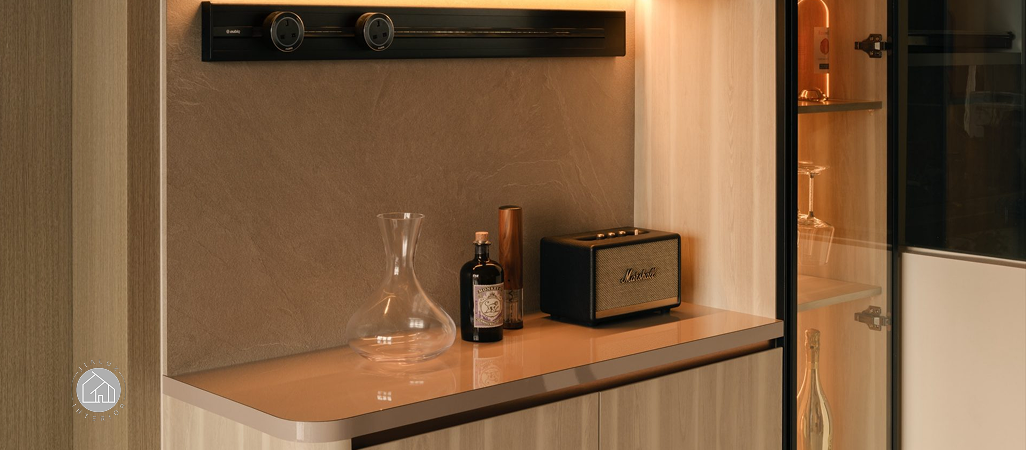
Creating a premium feel within a compact condominium requires clarity, restraint, and an understanding of how space is lived in over time. When proportions are controlled, materials are considered, and visual hierarchy is respected, luxury becomes an everyday experience rather than a visual statement. This level of refinement is achieved not through excess, but through informed decisions that balance aesthetics, function, and longevity.
If you are planning a condominium renovation and want to understand how refined design can be achieved without overcrowding, consider a design consultation with Jialux Interior Pte Ltd to explore a measured, long-term approach to refined condominium living.