
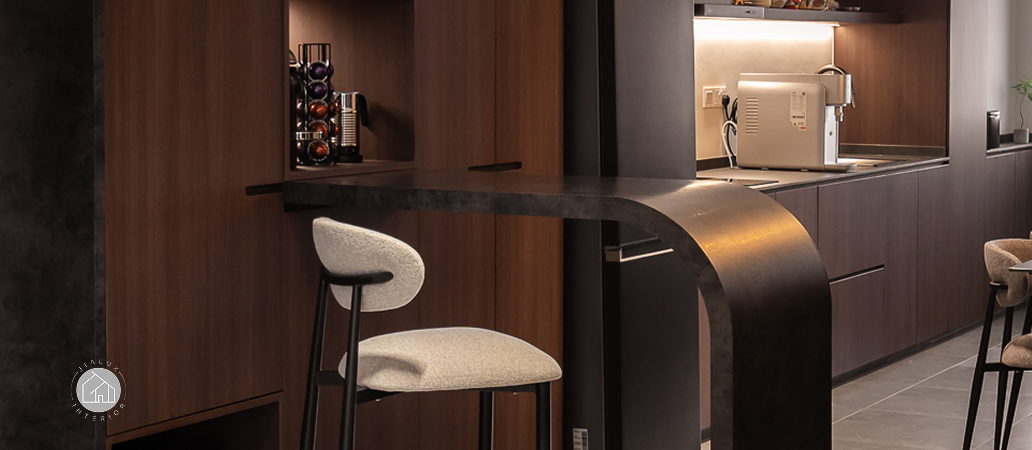
Key Takeaways
- Bold interiors feel successful when visual expression is supported by clear planning, spatial logic, and everyday usability rather than decorative excess.
- Rich layers of colour, texture, and form remain comfortable over time when hierarchy and order guide how attention moves through a space.
- Perceived luxury in expressive homes is shaped more by craftsmanship, material endurance, and construction quality than by visual intensity alone.
- Professional design guidance helps translate ambitious ideas into coherent, liveable spaces that balance individuality with long-term comfort and reliability.
Introduction
In Singapore, homeowners are increasingly looking beyond pared-back minimalism to create spaces that feel expressive without losing longevity. Maximalist interior design succeeds locally not through accumulation, but through intention. When bold colours, textures, and forms are guided by structure and material discipline, expressive interiors feel composed rather than overwhelming. In dense urban homes where spatial efficiency and durability matter, maximalism works best when confidence is paired with restraint, allowing visual richness to support everyday living rather than compete with it. This distinction is crucial in homes where layouts are fixed, proportions are compact, and renovation decisions must perform reliably for years rather than for visual impact alone.
Maximalism as One Expression of Personal Identity, Not a Default Style
Within residential settings, maximalist interior design functions as one possible expression of personal identity rather than a universal approach. Some homeowners are naturally drawn to richer palettes, layered surfaces, and more pronounced forms because these choices reflect lived experiences, cultural references, or evolving lifestyles. When such decisions align with how a household actually functions, expressive residential interiors feel authentic and grounded rather than merely decorative. The emphasis is not on visual density, but on meaning, where every expressive choice has a reason rooted in use, memory, or preference. This approach ensures that individuality is expressed through intention rather than excess, allowing the home to remain liveable as needs evolve.
Structural Planning Allows Bold Design to Remain Comfortable
Strong visual expression in Singapore homes must always be supported by spatial clarity, particularly where layouts are compact and multifunctional. In many resale flats and condominiums, structural constraints such as narrow living zones, irregular columns, or limited daylight make unstructured visual layering especially difficult to live with.
In practice, maximalist interior design remains comfortable when visual richness is carefully organised within a disciplined layout framework. Clear zoning ensures that expressive elements sit within defined functional areas rather than spilling indiscriminately across the home. Circulation paths, storage planning, and spatial proportion help prevent visual congestion, allowing bold design to coexist with ease of movement and daily routines. This is especially relevant in condo living interior design, where shared spaces often need to transition seamlessly between work, rest, and social use. Without this level of planning, even well-chosen materials can feel visually compressed once furniture, storage, and daily activities are introduced.
To maintain comfort while embracing visual depth, planning typically considers:
- How visual emphasis is distributed across zones rather than concentrated in one area
- How circulation routes remain visually calm despite the surrounding richness
- How functional elements are integrated without competing for attention
These controls allow expressive choices to feel intentional rather than intrusive.
Order and Hierarchy Prevent Visual Fatigue
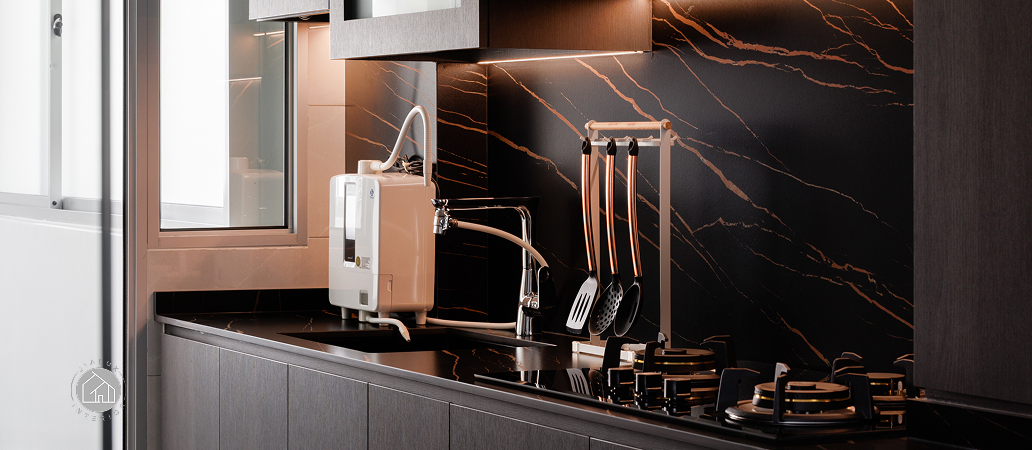
Visual richness only feels luxurious when the eye is guided with clarity rather than left to navigate competing elements.
At its core, maximalist interior design depends on hierarchy. Dominant features establish focus, while supporting elements add depth without overwhelming the space. This sense of order ensures that bold yet refined home design remains legible and comfortable over time. When hierarchy is absent, even high-quality interiors can feel visually tiring. When present, complexity reads as depth rather than clutter. Hierarchy also plays a critical role in shaping the emotional experience of a space, influencing whether it feels calming or mentally demanding over time.
Hierarchy is typically reinforced through:
- A clear distinction between primary and secondary visual elements
- Controlled repetition of forms, colours, or materials to create rhythm
- Restraint in detailing so accents enhance rather than dominate
By shaping how attention moves through a space, expressive interiors remain engaging without becoming mentally taxing.
Luxury in Expressive Homes Comes from Quality and Endurance
In expressive homes, luxury is defined less by visual intensity and more by how well a space performs over time.
While maximalist interior design may appear visually bold, its longevity depends on craftsmanship, material integrity, and construction precision. Finishes must age well, joinery must withstand daily use, and surfaces must retain their character rather than degrade. This approach creates layered luxury spaces that feel reassuring rather than fragile, allowing homeowners to enjoy richness without constant upkeep or concern. In Singapore’s climate, characterised by humidity, temperature fluctuations, and frequent usage, the focus on durability significantly influences how luxury is perceived in daily life.
Long-term quality is reflected in:
- How materials respond to wear, light, and humidity
- How detailing remains intact through repeated use
- How the space continues to feel comfortable rather than dated
For homeowners investing in residential interior design, endurance becomes the foundation that allows expressive design to mature gracefully.
Professional Design Guidance Brings Structure to Bold Concepts
Bold ideas reach their full potential only when translated through professional judgment and technical understanding.
In Singapore’s regulatory, spatial, and construction context, expressive interiors benefit from experienced guidance that balances creativity with proportion, buildability, and lifestyle needs. Within housing and interior design, designers act as translators of complexity, shaping ambitious concepts into spaces that remain functional, durable, and coherent. This role extends beyond aesthetic coordination, addressing material compatibility, construction sequencing, and long-term maintenance considerations that are often overlooked at the concept stage. This structured approach ensures that expressive design choices support daily living rather than compromise it.
Conclusion
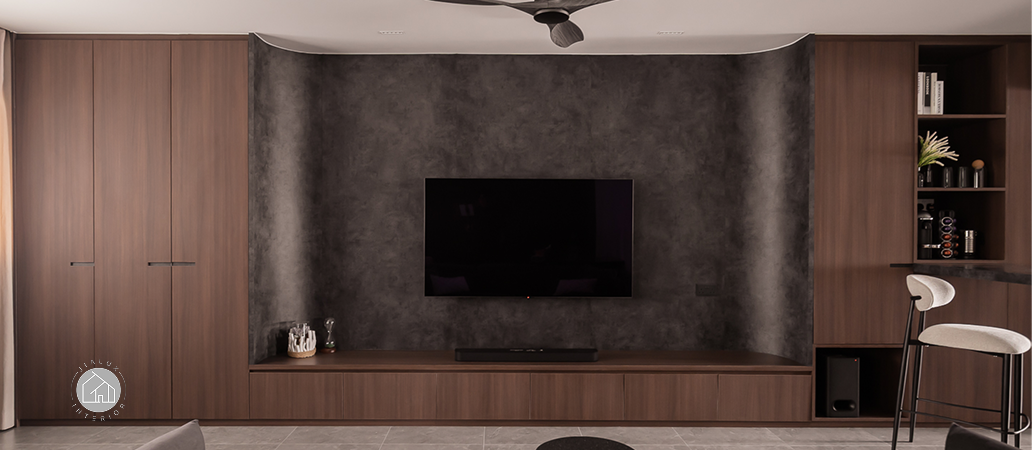
Maximalist interiors work in Singapore homes when bold expression is guided by structure, material integrity, and a clear understanding of how a space supports everyday living. When visual richness is grounded in planning discipline and craftsmanship, expressive homes can feel composed, enduring, and quietly luxurious rather than overwhelming.
If you are exploring a more expressive approach to your home and want clarity around structure, proportion, and long-term quality, speak with Jialux Interior Pte Ltd to understand how bold design can be translated into a refined, enduring living space.