

Key Takeaways
- Condominium homes are shaped by tighter structural and regulatory constraints, which require more precise planning and a stronger emphasis on proportion, flow, and execution from the outset.
- Privacy and acoustic comfort play a larger role in condominium living, influencing how spaces are zoned, how sightlines are managed, and how materials are selected to support daily comfort.
- Material quality and workmanship become more visible in restrained interiors, making consistency, detailing, and long-term performance more important than decorative features.
- Condominium interiors are planned around defined lifestyle patterns and shared amenities, favouring clarity, efficiency, and visual calm over flexible or multi-purpose layouts.
Introduction
Interior design for condominiums in Singapore differs from HDB design not only in appearance, but in how space, privacy, and comfort are experienced daily. While both housing types exist within the same urban environment, condominiums are shaped by different structural conditions, management requirements, and lifestyle expectations. These differences influence how spaces are planned, how materials are detailed, and how the home feels over time. In practical terms, design decisions in a condominium often have a more immediate and lasting impact on daily comfort, visual calm, and privacy because there is less tolerance for inefficiency or excess. Understanding these HDB vs condo interior differences allows homeowners to approach design decisions with greater clarity, particularly when quiet luxury and modern contemporary sensibilities are prioritised over visual excess or short-term trends.
Structural Planning and Layout Limitations
Condominium interiors are often defined by architectural constraints that shape planning decisions from the outset.
Fixed Architectural Elements In Condominiums
These permanent structural components influence how space can be organised and refined.
- Structural beams and columns that cannot be altered
- Service shafts and risers that restrict wet-area relocation
Because these elements are immovable, spatial planning relies less on dramatic reconfiguration and more on careful adjustment, proportion, and alignment. This makes early design decisions especially important, as later changes are often limited or impractical once construction begins.
Impact On Spatial Flow And Furniture Planning
These constraints directly affect how rooms function and connect visually.
- Reduced flexibility in reworking layouts
- Greater reliance on built-in carpentry and accurate furniture placement
Compared to HDB flats with more standardised layouts, interior design for condominiums in Singapore often demand a higher level of precision to ensure the space feels intentional rather than compromised. Where HDB planning often allows clearer conventions, condominium layouts require more deliberate coordination between structure, furniture, and circulation.
Privacy, Acoustics, and Internal Zoning
Privacy considerations play a more prominent role in condominium living due to the proximity of units and shared building structures.
Acoustic Considerations In Close-Proximity Living
Sound management becomes a core design consideration rather than an afterthought.
- Sound transmission through shared walls, floors, and ceilings
- The need for buffering between private and communal zones
These factors influence room placement, material choice, and internal sequencing. Without careful planning, noise can easily travel between spaces, affecting rest and long-term comfort.
Visual Privacy And Sightline Control
Beyond sound, visual exposure also shapes daily comfort.
- Managing views from neighbouring units
- Designing entry sequences that reduce direct sightlines into living spaces
Unlike many HDB homes that prioritise multipurpose family use, condo interiors tend to emphasise controlled zoning and quieter transitions, where visual privacy is treated as an intentional design outcome rather than a by-product of layout. By managing what is seen and when, these interiors support a calmer, more inward-focused living environment that feels composed even within dense residential settings.
Material Expectations and Finish Quality
Material selection in condominium homes calls for greater consistency and restraint, with an emphasis on long-term refinement.
Importance Of Precision In Restrained Interiors
When design is understated, workmanship becomes more visible.
- Alignment of panels, joints, and edges
- Clean transitions between materials and surfaces
Small inconsistencies become noticeable, making execution quality a defining feature rather than a background detail. This is where refined interiors either feel resolved or unfinished, depending on the level of control achieved during construction.
Material Selection Beyond Surface Appeal
Performance over time is just as important as initial appearance.
- Materials selected for durability and ageing behaviour
- Emphasis on tactile quality and tonal stability
While HDB interiors often prioritise functional durability, interior design for condominiums in Singapore places greater emphasis on refined execution, where material consistency and precise detailing define the overall experience. This approach reflects the principles of luxury condo interior design, where restraint allows craftsmanship and long-term performance to take precedence over decorative features.
Lifestyle Patterns and Space Utilisation
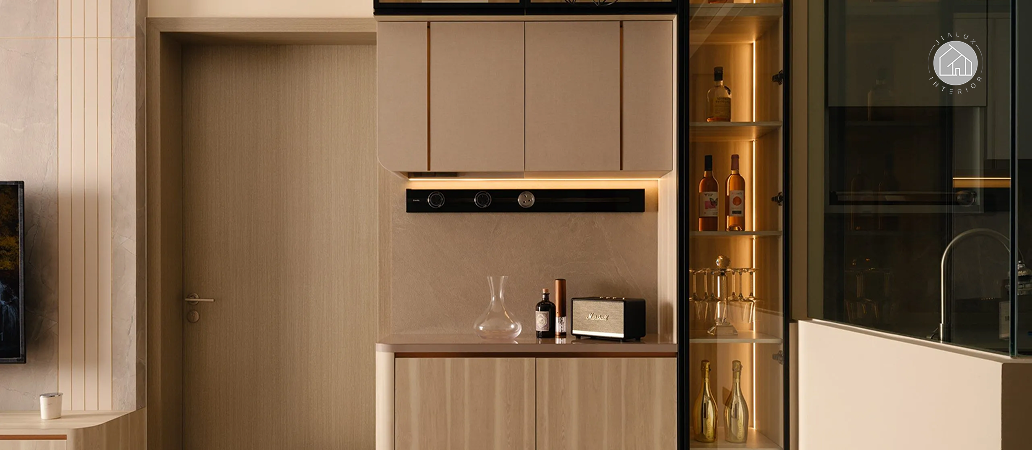
Condominium living is shaped by different lifestyle rhythms that influence how interiors are planned and used. Within this context, condo living interior design places greater emphasis on clarity, efficiency, and visual calm, responding to smaller household sizes and the presence of shared amenities beyond the home.
Defined Functions Over Flexible Use
Spaces are often designed with clearer intent rather than maximum adaptability.
- Rooms planned for specific daily activities
- Less reliance on multi-purpose configurations
This approach supports visual calm and spatial order within compact footprints. It also reduces visual clutter, allowing the home to feel more settled and less transitional over time.
Relationship Between Home And Shared Facilities
Access to communal amenities changes how interior space is prioritised.
- Reduced need for large in-home entertaining areas
- Greater focus on comfort, retreat, and visual clarity
These condo renovation considerations reflect a preference for efficiency and composure, where each space supports how the home is realistically lived in rather than how it might be used occasionally.
Renovation Guidelines and Design Responsibility
Condominium renovations typically involve Management Corporation Strata Title (MCST) requirements and estate-level approvals that influence both design scope and execution, reflecting the realities of interior design in Singapore, where building management, compliance, and coordination play a central role in residential projects.
Common Condominium Renovation Constraints
Building management requirements influence planning decisions early on.
- Management Corporation Strata Title (MCST) approval processes
- Restricted renovation hours, access routes, and material handling procedures, including requirements for protecting common areas. While these controls are standard across condominiums, specific rules vary by development.
These conditions affect timelines, sequencing, and construction methods. Design planning must therefore anticipate these limits rather than respond to them after work begins.
Design Accountability Under Regulatory Limits
Successful outcomes rely on careful coordination and foresight.
- Early planning to minimise revision risk
- Disciplined execution that respects building guidelines
In Singapore, interior design for condominiums demands not only aesthetic sensitivity but also a strong sense of responsibility and clarity to ensure long-term comfort and regulatory compliance without compromise.
Conclusion
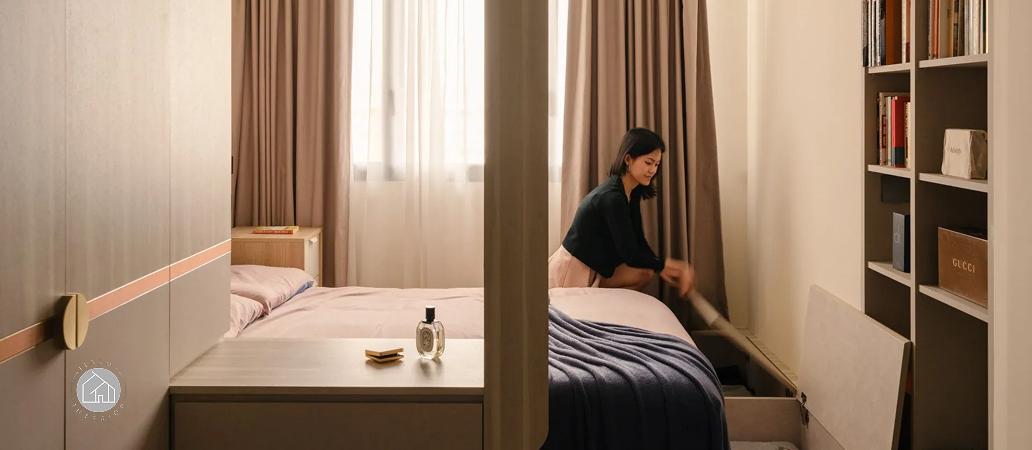
Interior design for a condominium in Singapore requires a deeper level of consideration than just stylistic preference. Structural limitations, privacy needs, material expectations, lifestyle patterns, and regulatory requirements all shape how a condominium home should be designed and experienced. Recognising these differences allows homeowners to make informed decisions that prioritise long-term comfort, refinement, and clarity.
For homeowners navigating these complexities, Jialux Interior Pte Ltd offers a thoughtful, detail-driven approach rooted in precision, restraint, and a deep understanding of materials. Through a consultation, our team translates your condominium’s structure, lifestyle needs, and long-term goals into a clear design strategy, ensuring each decision contributes to a home that feels composed, enduring, and thoughtfully resolved.